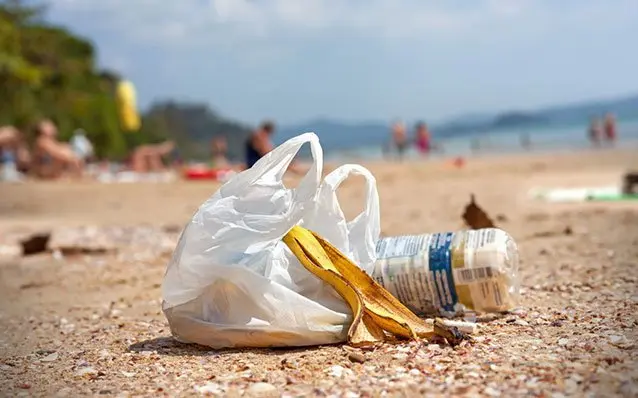
The Environmental Management Agency (EMA) in Zimbabwe, in collaboration with the Zimbabwe Republic Police, conducted a public awareness campaign on solid waste management in Gweru, focusing on enforcing regulations and educating the public to curb environmental degradation. This initiative aligns with Zimbabwe’s broader efforts to address waste management challenges, as improper disposal and littering pose significant environmental and public health risks across the country, the African continent, and globally.
In Gweru, Zimbabwe’s third-largest city, solid waste management is a pressing issue, particularly in informal and high-density areas like Mkoba, Mutapa, and Senga. Studies indicate that high waste generation rates, coupled with inadequate collection and disposal systems, have led to widespread open dumping and littering, creating health hazards and environmental pollution. The EMA’s campaign in Gweru targeted public service vehicles, such as buses, to ensure compliance with waste management regulations, as mandated by the EMA Act (Chapter 20:27). This legislation prohibits littering and requires proper waste disposal measures, with Section 70(1) stipulating that no person shall dispose of waste in a manner that causes environmental pollution or harm to health. During the inspections, buses lacking bins were penalized, reflecting the enforcement of Section 83, which prohibits littering in public spaces. Similarly, trucks transporting hazardous substances like coal were checked for proper licenses under the Hazardous Substances Act (Chapter 15:05), with non-compliant operators facing fines.
Oswald Ndlovu, EMA’s Midlands Environmental Education and Publicity Officer, emphasized that the campaign aimed to raise awareness about sustainable waste management due to alarming levels of littering along national highways. This issue is not unique to Gweru but reflects a national challenge.
In 2016, Zimbabwe generated approximately 1.9 million tonnes of municipal solid waste (MSW) annually, with only 16% recycled, according to EMA data. Most waste ends up in poorly managed dumpsites, such as Pomona in Harare, contributing to land and water contamination. The 2018 cholera outbreak in Harare, linked to poor waste and sewage management, underscores the public health risks of inadequate waste management systems. The national clean-up campaign, launched in December 2018 under the theme “Zero Tolerance to Litter – My Environment,” designates the first Friday of each month as National Environment Cleaning Day to promote sustainable practices and community engagement.
Zimbabwe’s Integrated Solid Waste Management Plan (ISWMP) emphasizes waste reduction, source separation, composting, and recycling. A 2011 study with the Institute of Environmental Studies revealed that 90% of waste could be managed through recycling and composting, yet implementation lags due to financial constraints and limited infrastructure. Medical solid waste, including hazardous materials, poses additional challenges, as it is often transported alongside general waste due to a lack of specialized vehicles, violating regulations under the Hazardous Substances Act.
Across Africa, solid waste management is a growing challenge due to rapid urbanization, population growth, and limited resources. The World Bank estimated in 2018 that the world’s largest cities generate over 1.3 billion tonnes of solid waste annually, with African countries contributing significantly due to urban migration. In Zimbabwe’s neighbor, Zambia, the Zambia Environmental Management Agency (ZEMA) has partnered with the United Nations Environment Programme (UNEP) to address similar issues, focusing on hazardous waste and recycling through a three-year project. Zambia’s efforts highlight the regional push for sustainable waste management, with initiatives like the African Circular Economy Alliance (ACEA) promoting circular economy principles. However, many African nations, including Zimbabwe, struggle with low collection rates, limited recycling infrastructure, and reliance on open dumping or burning. The Bamako Convention, adopted by African governments, prohibits the importation of hazardous waste and promotes environmentally sound disposal, a framework Zimbabwe adheres to as a signatory.
Plastic waste is a particular concern, with UNEP reporting that 500 billion plastic carrier bags are used globally each year, and Africa faces increasing pressure to manage non-biodegradable waste. In Zimbabwe, e-waste is an emerging issue, with limited regulations and awareness complicating disposal, as most waste management frameworks focus on general and hazardous waste without addressing electronic waste specifically.
Globally, solid waste generation is projected to reach 2.2 billion tonnes by 2025, driven by urbanization and consumption patterns. The Basel Convention, to which Zimbabwe is a party, regulates the transboundary movement of hazardous wastes, emphasizing environmentally sound management. The United Nations Environment Assembly (UNEA) resolution on ending plastic pollution further highlights the global push for legally binding agreements to address waste challenges by 2024. In developing countries, including Zimbabwe, financial and technical constraints hinder progress, with municipalities often unable to afford adequate waste collection trucks or engineered landfills. Globally, only a fraction of municipal solid waste is recycled, with most ending up in landfills or open dumpsites, contributing to greenhouse gas emissions like methane.
The health and environmental impacts of poor waste management are significant. Globally, air pollution from burning waste and indoor sources causes millions of premature deaths annually, with Zimbabwe experiencing an estimated 3,800 premature deaths yearly due to air pollution, according to UNEP (2015). Water pollution from leachate in unlined dumpsites, as seen in Zimbabwe’s Manyame and Nyatsime rivers, mirrors global trends where heavy metals and chemical residues contaminate water sources, leading to diseases like cholera and long-term health risks such as cancer.