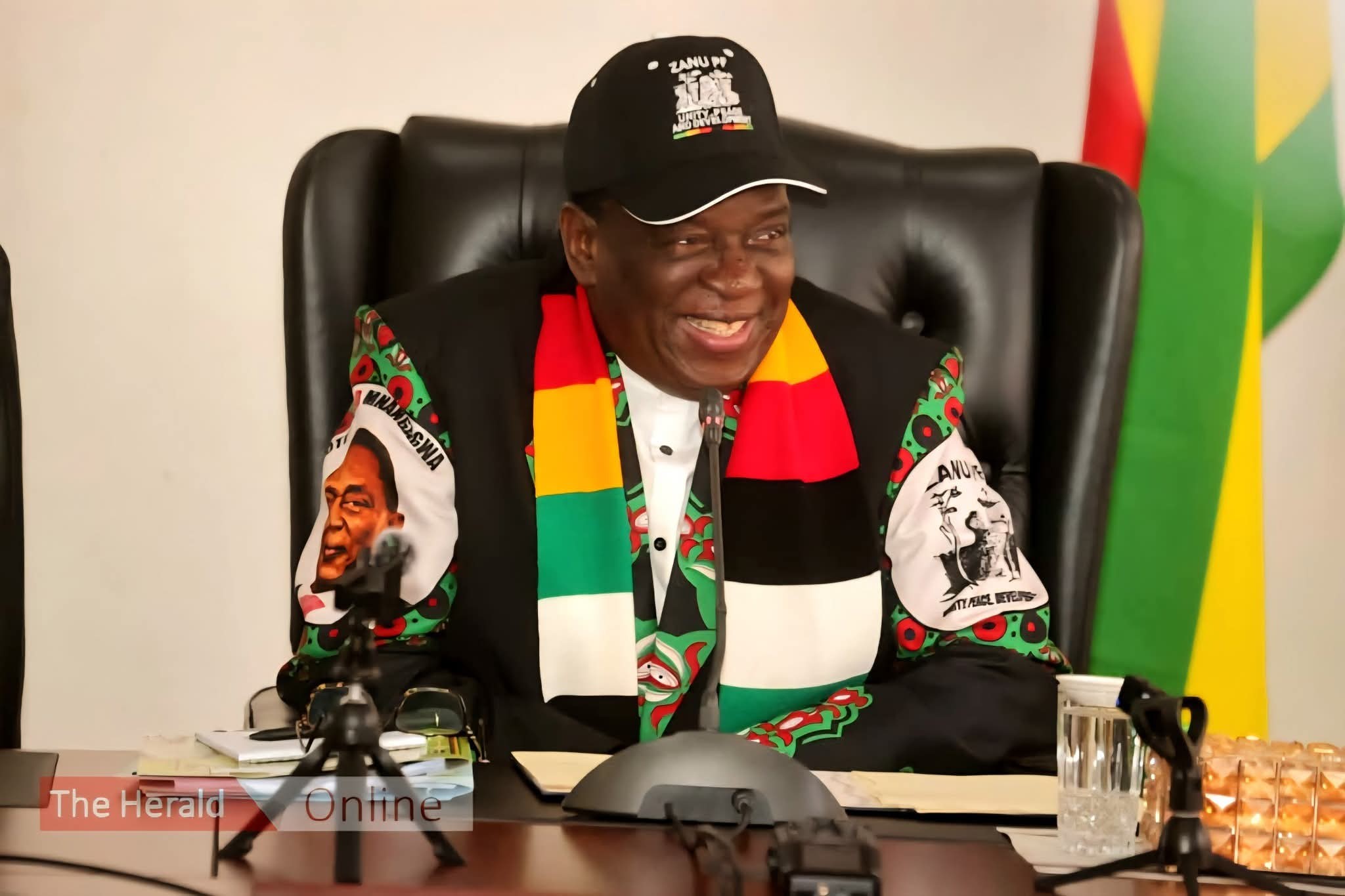
Emmerson Mnangagwa has acknowledged that Zimbabwe’s economy has endured prolonged challenges but said the experience has reinforced the country’s determination to pursue an independent development path.
Speaking during a plenary session at the World Governments Summit in Dubai, Mnangagwa was asked to reflect on lessons Zimbabwe had learned after decades of economic turbulence, including the period following land reform and the subsequent economic downturn.
The President said Zimbabwe’s difficulties were largely shaped by international sanctions imposed after the country reclaimed land from former colonial owners.
“Our economy has faced challenges,” Mnangagwa said, adding that Zimbabwe had been under sanctions for decades as a result of “claiming our land from the British and making ourselves independent.”
He said the land reform programme was about restoring ownership to Zimbabweans, rejecting the view that it was racially motivated.
“Land did not belong to a race, it belonged to Zimbabweans,” Mnangagwa said, arguing that colonial authorities had taken land from indigenous people and that the country later moved to reclaim it. He added that those who wished to remain and hold land on the same basis as other Zimbabweans were able to do so.
Despite the constraints, Mnangagwa said Zimbabwe had continued to develop and was proud of having done so largely on its own.
“In spite of all that constraint we have developed, and we are happy that we have developed on our own and we feel very independent,” he said.
The exchange came after a moderator pressed the President on whether land reform had unfairly targeted people based on race. Mnangagwa maintained that the policy was about correcting historical injustices rather than discrimination.
The World Governments Summit brings together heads of state, policymakers and global experts to discuss governance, economic transformation and international cooperation. Mnangagwa is attending the forum as part of Zimbabwe’s broader diplomatic and economic engagement efforts.