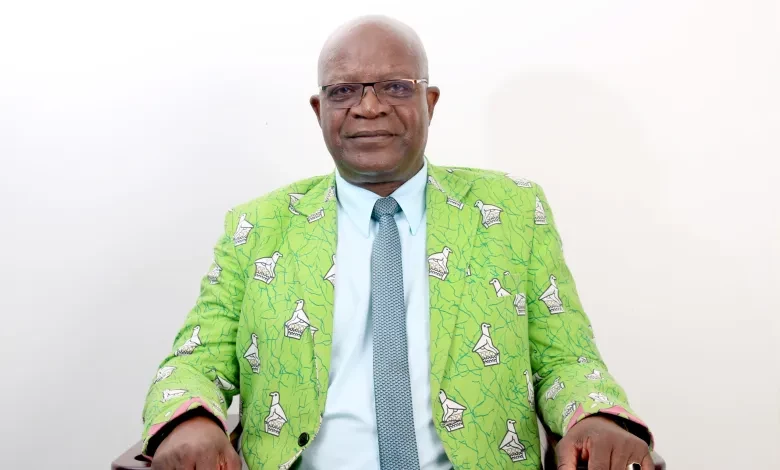
Deputy Minister of Mines and Mining Development, Engineer Caleb Makwiranzou, has underscored the importance of responsible mining, environmental stewardship, and ethical journalism in shaping Zimbabwe’s mineral-driven future. He was addressing guests at the 2025 Mining Media Awards held in Harare on Friday night, an event themed “Stories of Growth and Sustainability.”
The awards celebrated journalists whose work has advanced public understanding of the mining sector, with Equity Axis journalist Blessing Kanyemba emerging as the standout performer of the night. Kanyemba claimed the prestigious Overall Mining Sector Reporter of the Year Award, adding to his growing reputation as one of Zimbabwe’s top mining reporters. He also won the Lithium Sector Best Reporter Award and finished as runner-up in both the Diamond Sector and the Coal and Gas categories. Judges commended his well-researched stories, strong analytical approach, and his role in amplifying conversations around responsible mining and economic development.
Other top performers included Zimpapers’ Nqobile Bhebhe, who won the Gold Sector Best Reporter Award, with Brenna Matendere of News Gemnation taking the runner-up spot. In the Small-Scale and Artisanal Miners category, Tawanda Musarurwa of Zimpapers clinched first place, while his colleague Muchaneta Chimuka came second. Several other journalists were honored across diamond, platinum, chrome, and CSR reporting categories.
In his keynote address, Deputy Minister Makwiranzou said the sector’s rapid expansion — driven by lithium, gold, platinum, chrome, coal and new exploration projects — must go hand in hand with sustainability. “Growth must be responsible, it must be inclusive, and it must be sustainable,” he said, stressing that global mining standards now require companies to be judged not only on output, “but on how responsibly they operate.”
He pointed to the environmental damage seen in some mining areas — including polluted rivers, unsafe pits, and degraded landscapes — as evidence of the need for stricter compliance. He said government is strengthening monitoring and working closely with EMA and local authorities but emphasized that policy alone cannot address every gap. Ethical, informed journalism, he noted, plays a crucial role in exposing malpractice while also highlighting positive strides in ESG implementation.
Makwiranzou also updated guests on the Mines and Minerals Bill (SB1 of 2025), describing it as central to modernizing Zimbabwe’s mining governance. The Bill, he said, will enhance transparency in licensing, tighten environmental protections, and curb illicit mining and mineral leakages, while creating a more predictable and investor-friendly regime.
He applauded journalists for telling stories that reflect both national progress and community realities. He said responsible reporting helps ensure that mineral wealth translates into better livelihoods, stronger local economies, and tangible improvements in schools, clinics and public services.
“As we celebrate the achievements of 2025, let us recommit ourselves to telling stories of growth — growth that is inclusive and development-oriented,” he said, pledging continued collaboration between government and the media to promote transparency, innovation, and responsible mining.