A leading economist has warned that Zimbabwe’s highly informalized economy is placing workers under growing pressure, with weak and poorly enforced labour regulations leaving many exposed to low wages, unsafe conditions and limited protection.
Michael Phiri said the current employer–employee environment lacks structured safeguards, particularly in informal sectors where businesses often operate outside regulatory oversight.
“To the extent that the economy is highly informal, many businesses are operating in the shadows, deliberately avoiding regulatory requirements,” Phiri said. “In such an environment, workers are the ones who suffer the most.”
He singled out the mining sector as a stark example, noting that despite attracting significant investment and generating substantial profits, these gains are rarely reflected in improved wages or living standards for workers and nearby communities.
“It does not require rocket science to see that conditions on the ground are not improving,” he said, pointing to poor infrastructure such as dilapidated roads to factories and mining sites as evidence of deeper structural challenges.
Phiri was careful not to place blame solely on the government, acknowledging efforts to maintain a stable and secure business environment.
“The government has done extremely well in ensuring a safe environment in which businesses can operate,” he said. “It is the responsibility of businesses to provide proper accommodation, fair wages and safe working conditions for their workers.”
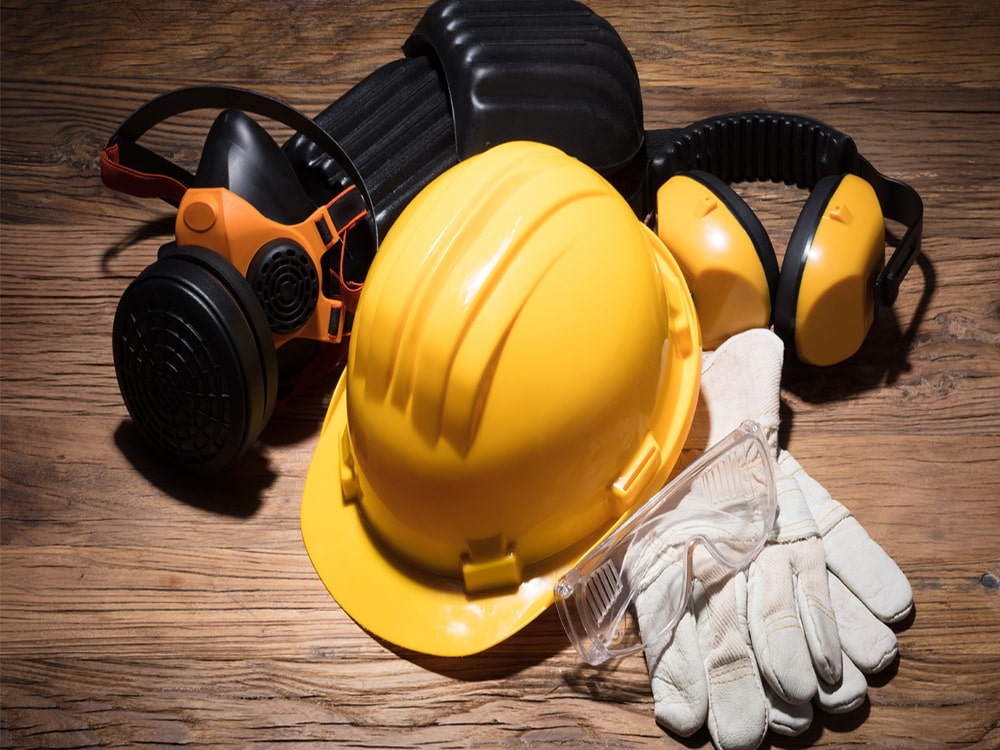
He expressed serious concern over workplace safety, revealing that more than 700 injuries and 12 deaths were recorded in just two months of 2025—figures he described as alarmingly high.
Phiri said the proposed Occupational Safety and Health Bill could help address these challenges, particularly the widening gap between company profits and worker remuneration.
“The failure to align profit levels with fair wages is slowing down economic progress,” he warned, adding that continued neglect of worker welfare could undermine Zimbabwe’s Vision 2030 development goals.
He stressed that protecting workers’ safety and dignity must remain a national priority if the country is to achieve sustainable and inclusive economic growth.