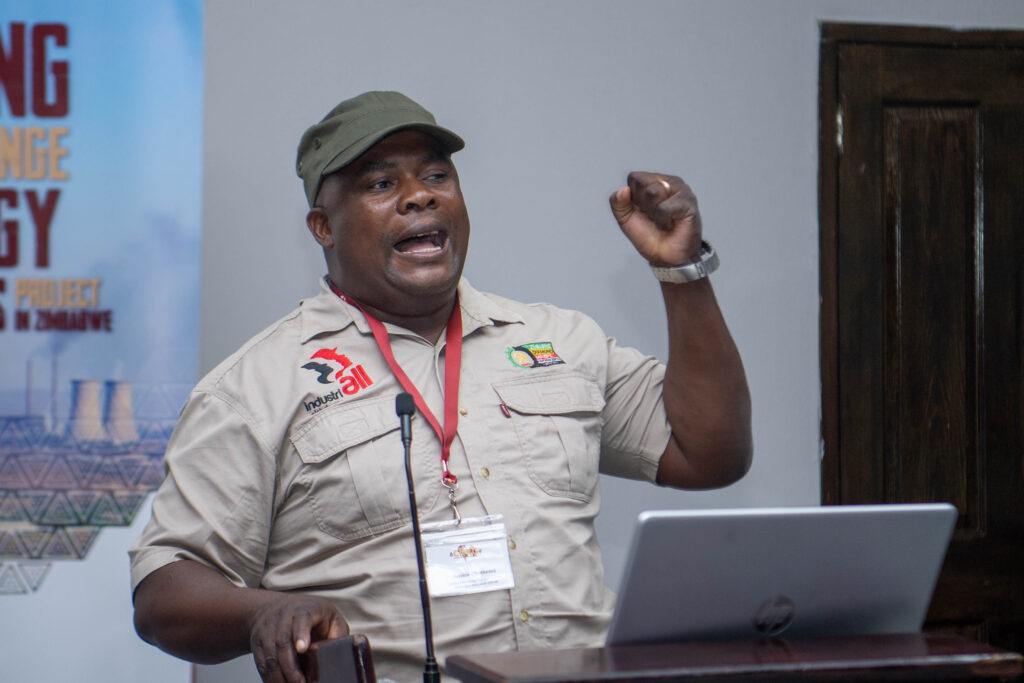
The Zimbabwe Diamond and Allied Minerals Workers Union (ZIDAMWU) has intensified calls for improved wages in the mining sector, proposing a minimum monthly living wage of between US$600 and US$650 for mine workers amid rising living costs.
ZIDAMWU chairperson Justice Chinhema said the proposed salary framework is intended to ensure miners can meet basic household needs, including accommodation, education expenses, transport, and food.
Speaking ahead of wage negotiations with the Chamber of Mines, Chinhema said the union believes the demand is both realistic and necessary given prevailing economic conditions.
“As ZIDAMWU, when we go for negotiations and sit down with the Chamber of Mines, we are placing the US$600–US$650 request on the table,” he said. “We are hopeful that employers will consider the proposal, especially as mineral prices are currently performing better on the market.”
The union argues that improved global commodity prices — particularly in gold, lithium, and platinum group metals — have strengthened revenues across parts of Zimbabwe’s mining industry, creating scope for wage adjustments.
Labour representatives say miners continue to face mounting financial pressure as inflationary costs push up rentals, school fees, and everyday consumer prices, eroding the value of existing wage structures.
The wage proposal is expected to form a central issue during upcoming collective bargaining discussions between mining unions and industry employers, negotiations that traditionally set the tone for labour relations across Zimbabwe’s key export sector.
Mining remains one of Zimbabwe’s largest foreign currency earners, contributing significantly to national exports and employment, but wage disputes have periodically emerged as workers push for compensation aligned with productivity and market performance.
Industry players are yet to publicly respond to the latest proposal, though analysts say negotiations are likely to balance worker welfare concerns against operational costs and investment pressures facing mining companies.