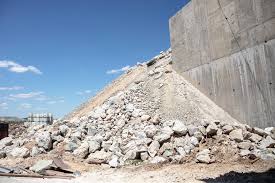
Zimbabwe will impose a ban on the export of lithium concentrates starting January 2027, as part of its strategy to promote local beneficiation and maximize revenue from its vast lithium resources, Mines and Mining Development Minister Winston Chitando announced during a post-cabinet media briefing on Tuesday.
The move builds on the country’s 2022 ban on the export of unprocessed lithium ore, which aimed to curb artisanal mining and encourage domestic processing. Since then, lithium exports have been limited to concentrates produced by major players such as Bikita Minerals and Prospect Lithium Zimbabwe, both of which are developing lithium sulfate plants to further refine the mineral.
“Two major players, Bikita and Prospect Lithium Zimbabwe, are in the process of establishing lithium sulfate plants,” Chitando said. “These value-addition facilities will process lithium concentrates into lithium sulfate, a direct input into battery manufacturing.”
Lithium sulfate is a critical intermediate product that can be refined into battery-grade materials like lithium hydroxide or lithium carbonate, essential for electric vehicle batteries and renewable energy technologies. By upgrading its lithium production to this stage, Zimbabwe aims to capture more value from its mineral wealth and position itself as a key player in the global clean energy supply chain.
Chitando emphasized that the new policy reflects Zimbabwe’s growing capacity for local processing. “Because of that capacity which is now in the country, the export of all lithium concentrates will be banned from January 2027,” he stated. “No player will be allowed to export lithium concentrates after that date.”
The minister called on lithium sector stakeholders to collaborate and invest in value-addition facilities to comply with the upcoming ban. “I would like to take this opportunity to call upon the players in the lithium sector to come together and collaborate,” Chitando urged, encouraging those not yet investing in lithium sulfate plants to sign toll treatment agreements with companies that are.
Zimbabwe, Africa’s top lithium producer, holds some of the world’s largest hard rock lithium reserves, with major operations led by Chinese companies like Sinomine Resource Group (owners of Bikita Minerals) and Zhejiang Huayou Cobalt (owners of Prospect Lithium Zimbabwe). These firms have invested heavily in the country, spending over $1 billion since 2021 to develop lithium projects, according to industry reports.
The 2027 ban is part of Zimbabwe’s broader push for resource nationalism, aiming to retain more economic benefits from its mineral wealth. The government estimates that illegal exports, particularly by artisanal miners, have cost the country billions in lost revenue. By enforcing local processing, Zimbabwe hopes to create jobs, transfer skills, and build a foundation for a domestic battery manufacturing industry.