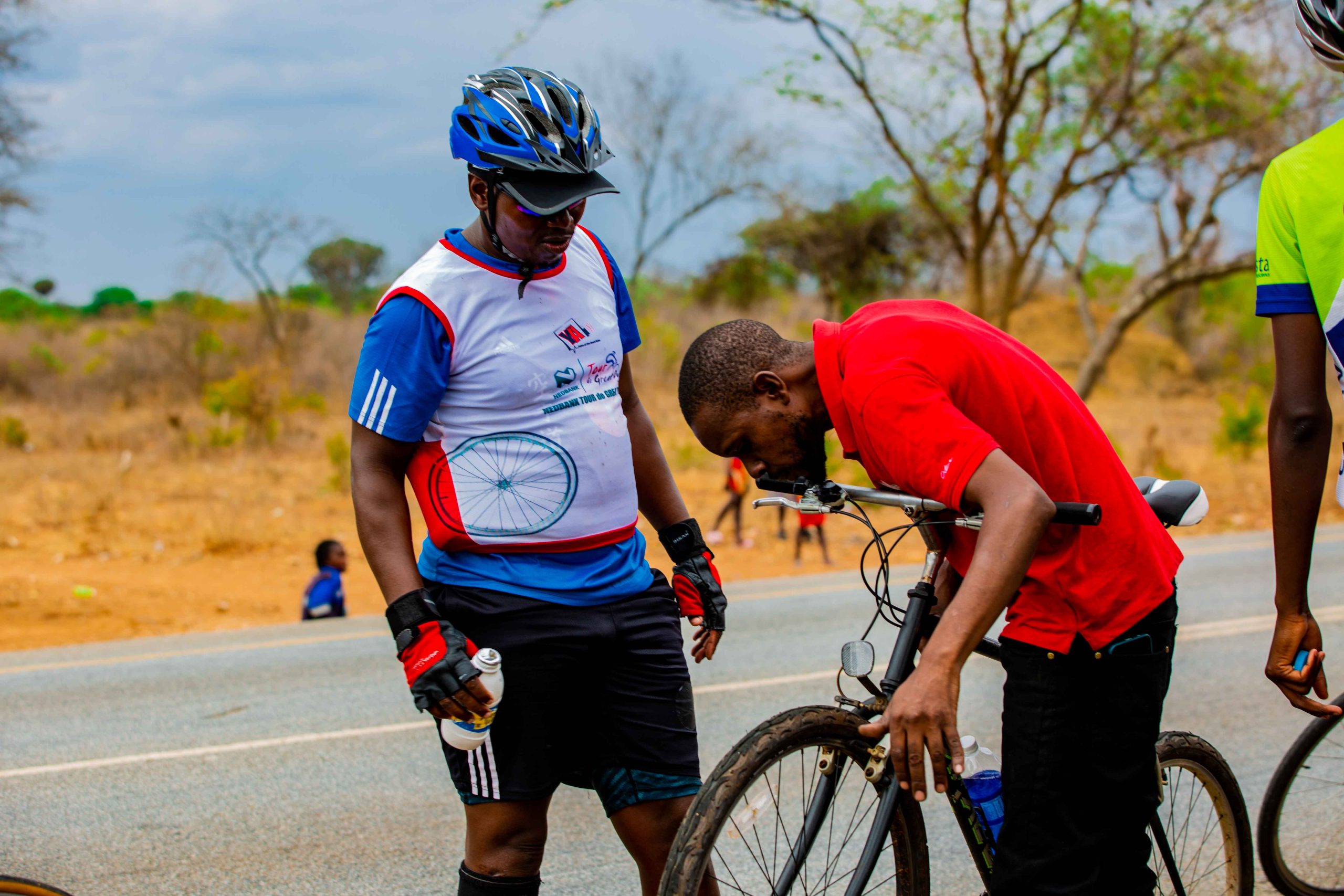
Table of Contents
When the Sales and Marketing Officer of Manica Bikes, Herbert Dzonge, took the microphone at the Nedbank Tour de Great Dyke, his words carried the energy of motion itself.
“This is why we are here today — because Manica Bikes supports and advocates for a cycling culture,” he said. “The advent of the internet and digital information systems has created a culture that is far less physical. Growing up, we played with those big tractor tyres. But nowadays, we spend a lot of time on digital gadgets. So when we see people come together for such a cause, we are happy to be here.”
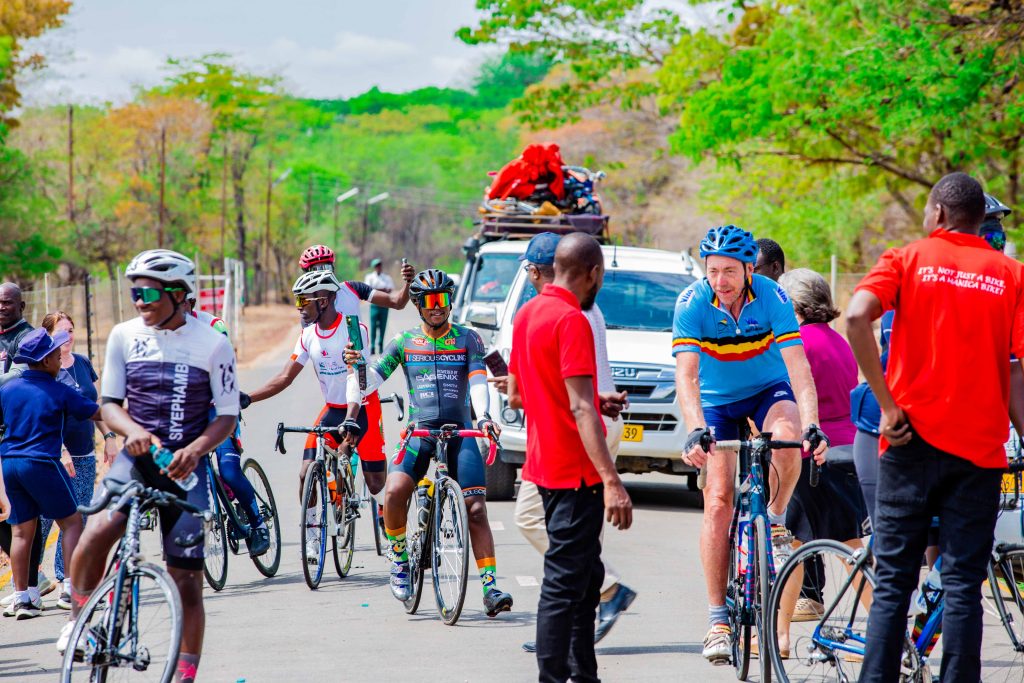
Dzonge’s reflection touched on something deeper than sport — a reminder that in an age of screens and sedentary routines, the simple act of pedaling remains one of humanity’s most enduring, efficient, and empowering motions.
The Science of the Spin
Cycling is more than just transport or recreation; it’s a marvel of biomechanics and physics. A cyclist in motion becomes part of a delicate dance between gravity, momentum, and muscle.
When you pedal, nearly 98% of the energy you exert on the pedals transfers to forward motion — a mechanical efficiency unmatched by most forms of human-powered transport.
Studies show that cycling burns between 400 and 700 calories an hour, depending on intensity, while significantly reducing cardiovascular risk factors. Regular cycling also boosts endorphin levels, improving mood and focus — making it not just a workout, but a moving meditation.
And then there’s the environmental dividend: every kilometre cycled instead of driven can save up to 150 grams of CO₂ emissions. In a world grappling with fuel costs and climate anxiety, the humble bicycle is quietly heroic.
The Tour de Great Dyke: A Ride with Purpose
The Nedbank Tour de Great Dyke has emerged as more than a cycling race — it’s a journey through Zimbabwe’s mineral heartland and a celebration of endurance, teamwork, and community upliftment.
Each year, cyclists traverse hundreds of kilometers along the Great Dyke, connecting towns and cities like Chegutu, Kwekwe, Gweru, Shurugwi and Zvishavane — not only promoting physical wellness but also drawing attention to environmental responsibility and sustainable development in mining regions.
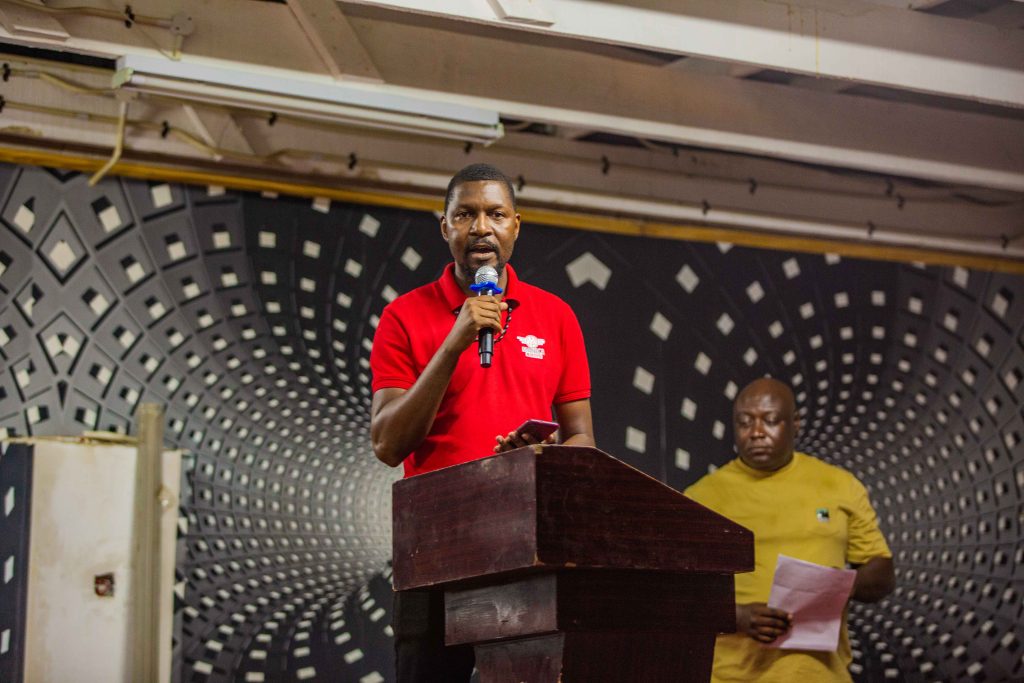
For Manica Bikes, being part of this event is both symbolic and strategic. It aligns perfectly with their mission to promote healthy living, mobility, and a sustainable cycling culture. By supporting the Tour, the company is helping to reawaken Zimbabwe’s relationship with the bicycle — once a staple of daily life in both rural and urban areas.
Manica Bikes: Inspiring a World of Two-Wheeled Adventurers
Founded on a legacy of trust and technical excellence, Manica Bikes has long been a cornerstone of Zimbabwe’s cycling ecosystem. The company supplies a wide range of bicycles, motorbikes, spare parts, and accessories, catering to everyone from individual riders to private firms, government departments, NGOs, and UN agencies.
Their bikes are designed to withstand Africa’s most challenging terrains — built for durability, reliability, and heavy loads. Across developing regions, these bicycles serve as lifelines: carrying students to school, nurses to remote clinics, and goods to markets.
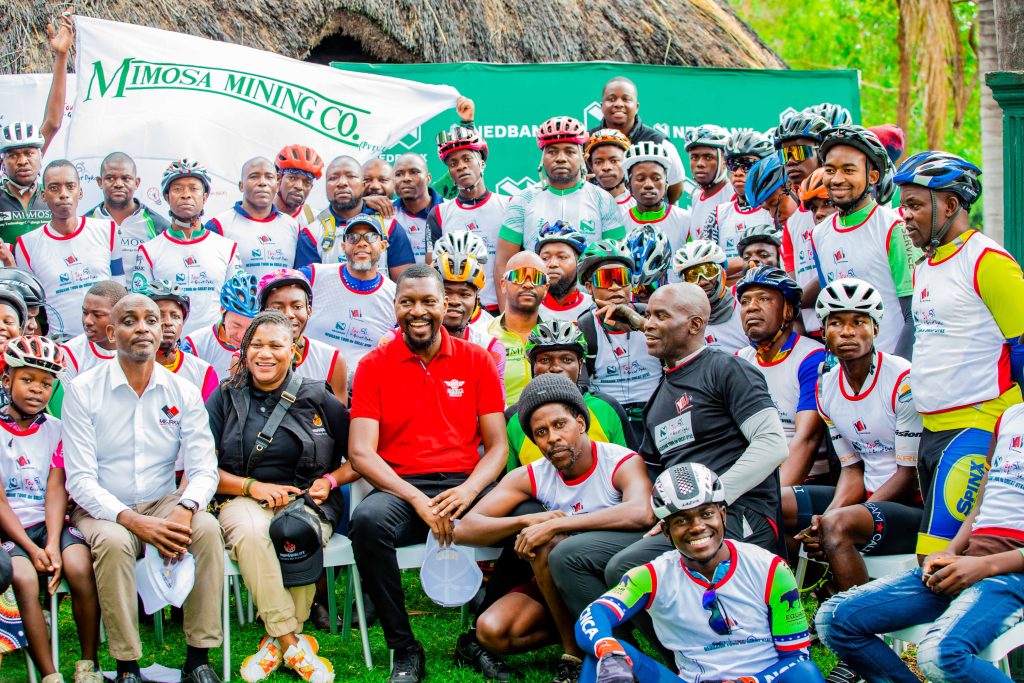
Manica Bikes takes pride in offering more than just products — they deliver a complete experience.
- Bike Fitting & Delivery: Every bicycle is expertly fitted to ensure maximum comfort and performance, with hassle-free delivery to any corner of the country.
- Custom Parts & Accessories: From high-quality components to stylish personal touches, riders can enhance both the performance and personality of their bikes.
- Complete Overhauls: Their service teams breathe new life into old bikes, ensuring every wheel that leaves their shop rolls with renewed purpose.
The Road Ahead
As Zimbabwe rekindles its cycling culture, companies like Manica Bikes are steering the movement — not just through business, but through belief. They see cycling as a bridge between health, sustainability, and empowerment.
Dzonge’s words echo that conviction:
“When we see people come together for such a cause, we are happy to be here.”
In a time when the world moves faster but people move less, the bicycle stands as a timeless reminder that progress doesn’t always require an engine — sometimes, it just needs a good pair of legs, a sturdy frame, and a heart that’s ready to ride.