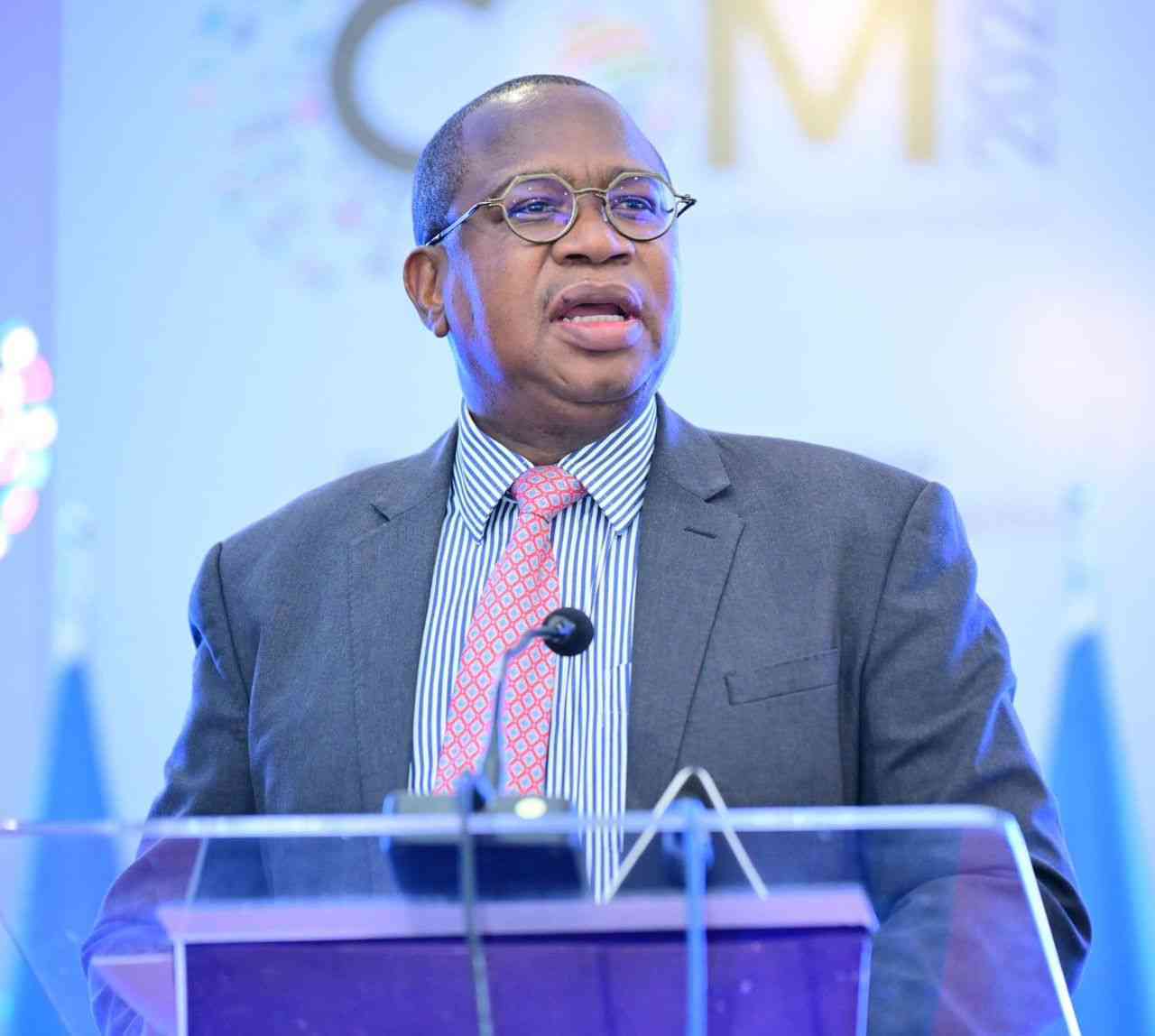
Finance Minister Professor Mthuli Ncube has announced the commencement of a comprehensive six-month review of levies, licenses, fees, and permits across all sectors of the economy, starting with agriculture. The move is aimed at simplifying regulatory processes, cutting red tape, and reducing the cost of doing business in Zimbabwe.
Speaking during a media briefing, Prof. Ncube said the review is part of government efforts to improve the business environment by aligning local regulations with regional best practices. The ultimate goal, he said, is to promote tax compliance, reduce informal sector barriers, and drive economic growth.
“This is not a sprint but a marathon. We’re focusing on the second half of the year to conduct this review. We’ve already started and covered 12 sectors so far,” said Prof. Ncube.
The agriculture sector will be the first to receive detailed fee adjustments, with announcements expected by the end of next week. Other critical sectors lined up for the review include retail, tourism, transport, manufacturing, and energy.
“This exercise is not about fiscal policy but about regulatory costs and improving the ease of doing business,” Ncube clarified, emphasizing that the initiative is aimed at removing unnecessary bureaucratic hurdles and overlapping jurisdictions that burden businesses.
Prof. Ncube also acknowledged the growing size of Zimbabwe’s informal sector, stressing the need for broader revenue collection from that segment through cost reduction and streamlined processes. He noted that Zimbabwe’s current tax-to-GDP ratio stands at around 15%, down from previous levels, and efforts are underway to boost it back to 18% and beyond.
“This review is part of our long-term strategy to improve competitiveness and encourage formalization of the informal sector,” he said.
The government is also benchmarking its regulatory reforms against regional peers to ensure Zimbabwe remains competitive. While the World Bank’s “Ease of Doing Business” indicators have been suspended globally, Ncube said Zimbabwe is pressing ahead with its own internal reforms.