Zimbabwe recorded strong gains in mineral production and electricity generation during the third quarter of 2025, underscoring the economy’s continued dependence on extractive industries and energy generation, according to the latest data released by the Zimbabwe National Statistics Agency (ZIMSTATS).
The Index of Mineral Production (IMP) rose to 200.0 in Q3 2025, representing an 18.2 percent increase from 169.2 recorded in the same period last year, and a 4.1 percent improvement compared to the previous quarter.
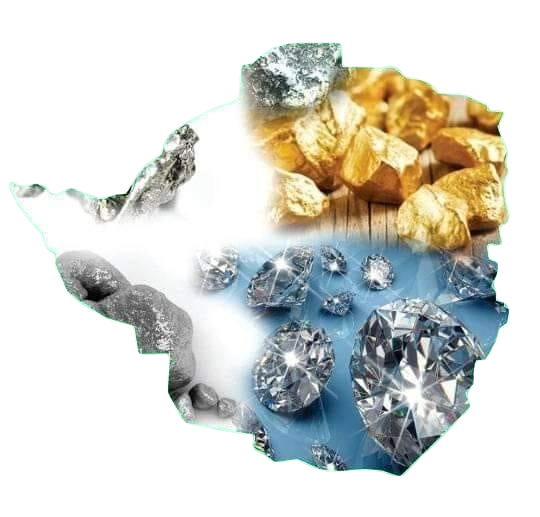
Gold remained the key driver of mineral sector growth, with output surging to 14,290 kilogrammes, translating to a 31.2 percent year-on-year increase. Platinum production also strengthened, rising to 5,372 kilogrammes and posting a 16.4 percent quarter-on-quarter gain.
Lithium production reached 568,964 metric tonnes, recording a substantial 64.5 percent year-on-year increase, despite a slight decline from the previous quarter. Nickel output rose to 4,468 metric tonnes, reflecting a 15.4 percent increase compared to Q3 2024.
However, performance across the mining sector was not uniform. Diamond production declined sharply by 22.6 percent to 954,554 carats, coal output slipped marginally by 1.0 percent, while granite extraction plunged by 70.2 percent year-on-year, highlighting volatility in non-metallic mineral production.
The electricity sector also registered notable growth during the quarter. The Index of Electricity Generation (IEG) stood at 121.5, marking a 13.7 percent increase compared to the same period last year and a 6.0 percent rise from the second quarter of 2025.
Total electricity generation reached 3,030.2 gigawatt-hours, with Hwange Thermal Power Station contributing 68.6 percent of output, while Kariba Hydro Power Station accounted for 27.4 percent. Electricity imports increased slightly to 283.9 gigawatt-hours.
Domestic electricity distribution expanded significantly to 2,489.9 gigawatt-hours, representing a 15.8 percent increase from Q2 2025, pointing to improved power availability and distribution across the country.
In contrast to the strong performance in mining and energy, the manufacturing sector recorded mixed results. The Volume of Manufacturing Index (VMI) stood at 160.2, virtually unchanged from 160.4 recorded in Q3 2024, indicating stagnation at an aggregate level.
Consumer-oriented industries showed robust growth, with foodstuffs production increasing by 15.9 percent. Drinks, beverages, and tobacco grew by 3.2 percent, while clothing and footwear recorded a dramatic 90.5 percent surge, reaching an index of 493.8. Transport equipment output also expanded sharply, rising by 160.5 percent year-on-year.
However, several traditional industrial sub-sectors experienced significant contractions. Textiles and ginning declined by 12.8 percent, paper, printing, and packaging fell by 15.0 percent, chemicals and petroleum products plunged by 34.9 percent, and non-metallic mineral products dropped by 31.5 percent. Metals and metal products also contracted by 8.9 percent compared to the same period last year.
Overall, the Q3 2025 figures highlight Zimbabwe’s sustained reliance on mineral exports and a resilient electricity generation sector. At the same time, the uneven performance of manufacturing underscores structural challenges within the industrial sector. Analysts say broadening and diversifying manufacturing output will be critical to achieving more balanced and sustainable economic growth going forward.