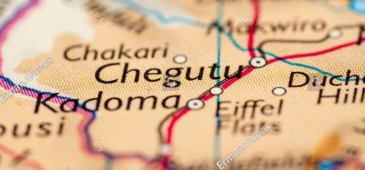
Nestled in the heart of Zimbabwe’s Mashonaland West Province, Chegutu is a town steeped in history and resilience. Originally named Hartley after explorer Henry Hartley—who discovered gold in the area—it was founded in 1891 on the Umfuli River before being relocated 18 miles (29 km) west around 1900. A town-management board was established in 1942, marking the beginning of its modern civic identity.
Located 107 kilometers southwest of Harare along the A5 highway, Chegutu stands at an elevation of 1,180 meters, nestled among the scenic Hartley Hills. Home to roughly 50,000 residents, it blends the legacy of its gold-mining roots with the energy of a growing town. Its economy rests on mining (gold and nickel), agriculture (maize, cotton, and tobacco), and an emerging industrial base.
Yet beyond its goldfields and farmlands lies Chegutu’s quiet strength — its educational institutions. More than just classrooms, they are incubators of ambition, where children from mining families, farmsteads, and township homes nurture dreams and resilience. Here, education fuels progress, shaping futures and sustaining the spirit of a town that continues to evolve amid Zimbabwe’s changing landscape.
Chegutu’s education system reflects the nation’s blend of public and private offerings. With over 100 primary schools district-wide (spanning urban Chegutu and rural outskirts like Norton and Mhondoro), and a handful of secondary schools, the area prioritizes access while celebrating foundational learning. Government-owned schools dominate, supplemented by faith-based and private institutions that emphasize holistic development. In recent ZIMSEC Grade 7 results, local primaries like Hartley No. 1 Primary boasted pass rates above 94%, underscoring a commitment to excellence. Secondary schools, offering up to A-Level, prepare students for ZIMSEC exams, with many alumni advancing to universities in Harare or abroad. Extending this legacy, Chegutu’s tertiary institutions provide pathways to specialized skills, aligning perfectly with the town’s vibrant economy.
This profile spotlights Chegutu’s standout schools and tertiary offerings, weaving in their histories, unique philosophies, and community impact. Whether you’re a parent scouting options or a visitor curious about Zimbabwe’s educational heartbeat, these institutions reveal a town investing in tomorrow—one lesson at a time. And as an exciting highlight, the Nedbank Tour de Great Dyke—a premier cycling event celebrating wellness and the Great Dyke’s mineral riches—will see over 300 cyclists pedal triumphantly through Chegutu on November 6, 2025, inspiring local youth with displays of endurance and community spirit.
Primary Schools: Building Foundations in the Hartley Hills
Chegutu’s primaries serve as the bedrock of its education ecosystem, catering to early childhood development (ECD) through Grade 7. With ten urban primaries alone, the district ensures broad coverage, though rural satellites extend reach to remote farms. Most are government-run, focusing on Shona, Ndebele, English, and core subjects like numeracy and literacy. Private options add boarding and extracurricular flair, fostering tenacity in a landscape shaped by mining booms and agricultural cycles.
Bryden Country School: The Home of Tenacity
Tucked off the A5 at the 103km peg, Bryden Country School stands as Chegutu’s crown jewel in private primary education. Established as a co-educational junior school with weekly boarding, Bryden traces its roots to the post-World War II farming boom, when settler families sought a “country school” blending academics with rural grit. Today, it enrolls around 200 students from diverse backgrounds, emphasizing an “informal yet structured” environment where kids grasp literacy and numeracy amid open-air explorations.
What sets Bryden apart? Its motto, “Home of Tenacity,” embodies resilience, fitting for a school that nurtures confident leaders through modern classrooms, a library stocked with Zimbabwean literature, and sports fields where soccer and netball build teamwork. Extracurriculars shine: vegetable gardens teach sustainability, while annual open days (like the September 13, 2025, event) invite parents to witness hands-on science demos. Fees hover around US$1,500 per term, making it accessible yet premium. Alumni often credit Bryden’s “motherly touch” for propelling them into Harare’s boardrooms or global NGOs.
Chegutu Primary School: The Heart of Township Learning
In the bustling heart of Chegutu Township, this government primary hums with the energy of over 800 students. Founded in the 1950s amid Hartley’s mining heyday, it evolved from a modest setup serving mine workers’ children to a vibrant hub reflecting Zimbabwe’s independence ethos. Its 2021 ZIMSEC pass rate of 94% ranks it among district elites, thanks to dedicated teachers and community fundraising for textbooks and boreholes.
Chegutu Primary’s strength lies in inclusivity: satellite classes reach outlying farms, and ECD programs incorporate local folklore to spark creativity. Classrooms buzz with multilingual lessons—Shona proverbs alongside English phonics—while after-school clubs tackle real-world issues like water conservation. Recent upgrades, including solar-powered lights, ensure vibrant night study for ambitious pupils. Parents rave about the school’s family-like vibe, where annual sports days unite township kids with rural cousins. At under US$50 in annual levies, it’s a beacon of equitable education, producing graduates who excel at feeders like Chegutu High.
Our Lady of Sorrows Primary School: Faith and Fortitude
Run by the Italian Sisters of Our Lady of Sorrows since the 1960s, this Catholic gem in central Chegutu blends spiritual nurture with academic rigor. Serving 600+ students, it honors its namesake through daily prayers and ethics classes, yet welcomes all faiths in a spirit of ubuntu. High walls enclose lush gardens where kids learn catechism between math drills, and its choir—famed for inter-school harmonies—instills discipline.
The school’s edge? A focus on values that empowers growth. ZIMSEC scores hover at 92%, bolstered by remedial programs for budding scholars. Community ties run deep: annual fetes fund scholarships, sending top performers to St. Francis High. For parents seeking moral grounding without isolation, Our Lady offers a sanctuary.
Hartley No. 1 Primary School: Legacy of the Hills
A stone’s throw from colonial-era Hartley remnants, this public primary boasts a 94.4% Grade 7 pass rate, the district’s highest in 2021. Named for the town’s pioneer roots, it serves 500 students from nearby mines and farms, with classrooms echoing the clink of pickaxes from yesteryear. Solar panels and rainwater harvesting highlight its eco-adaptive ethos, crucial in Chegutu’s variable 775mm annual rainfall.
Hartley No. 1 excels in STEM seeds: junior robotics clubs use recycled materials for inventions, inspiring girls in a male-dominated mining town. Sports? Their under-12 soccer team clinched zonal titles, channeling energy into teamwork. Affordable (US$30 levies) and accessible via gravel roads upgraded in 2024, it’s a model of public efficiency—alumni include engineers at RioZim.
Secondary Schools: Pathways to Advanced Horizons
Chegutu’s four main secondaries offer O- and A-Levels, preparing 2,000+ teens for ZIMSEC rigors. These schools balance academics with life skills, nurturing well-rounded graduates ready for tertiary pursuits.
St. Francis High School: Excellence in Faith and Academics
Perched on a hill overlooking the hills, St. Francis—twin to its primary sibling—enrolls 800 boarders and day students in Forms 1-6. Founded by Franciscan missionaries in the 1940s, it pairs rigorous sciences (A-Level biology labs rival Harare’s) with chapel services fostering empathy. Pass rates exceed 85%, with alumni in medicine and law.
Unique: Vocational streams in agriculture suit Chegutu’s farms, including cotton-harvesting field trips. Fees: US$800 termly; scholarships abound for top performers.
Pfupajena High School: Community-Driven Ambition
Meaning “bright path” in Shona, this government secondary in Pfupajena suburb serves 700 students from township fringes. Established post-independence, it shines in humanities—debate clubs debate land rights, reflecting local mining inspirations. 80% O-Level passes feed into A-Level commerce tracks.
Pfupajena’s vibe? Inclusive: Night classes empower eager learners, and drama troupes perform at cultural festivals. Upgraded labs from 2024 devolution funds boost STEM. At US$100 termly, it’s a ladder for aspiring entrepreneurs.
Adventist High School: Wholesome Horizons
Seventh-Day Adventist-run since the 1970s, this co-ed boarding school (600 students) integrates health education—vegetarian meals and Sabbath observances build discipline. Strong in maths (82% A-Level passes), it offers Cambridge options alongside ZIMSEC.
Perks: Wellness programs promote vibrant lifestyles. Eco-clubs plant trees, enhancing the campus. Fees: US$700 termly, with work-study for supportive families.
Chegutu High School: The Town’s Academic Anchor
The district’s flagship, with 900 students, Chegutu High offers full A-Levels in a modern campus upgraded in 2023. Founded in the 1960s, it boasts 78% passes. Sports powerhouse—basketball teams tour nationally.
It’s the pulse of youth activism: Student councils champion community projects. Affordable and dynamic, it embodies Chegutu’s grit.
Tertiary Institutions: Elevating Skills for Tomorrow’s Leaders
Chegutu’s tertiary landscape complements its schools by offering practical, industry-aligned programs that empower graduates to thrive in mining, agriculture, and beyond. These institutions bridge secondary success to professional excellence, with flexible diplomas and certificates tailored to local needs.
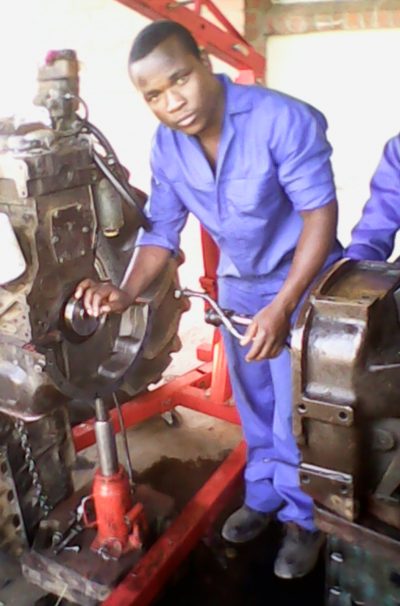
Mupfure Industrial Training College: Hands-On Mastery
Mupfure Industrial Training College, originally established as Mupfure Self-HELP College in 1983 by the Zimbabwe Foundation for Education With Production (ZIMFEP), was created to provide vocational and technical training, initially targeting demobilised ex-combatants and disadvantaged learners after independence. Located on Bedford South Farm in Chegutu District, the college began its first intake in 1986 offering trades such as Agriculture, Bricklaying, Textile Technology, Cabinet Making, and Farm Motor Mechanics. Funded largely by the Dutch government through HIVOS, the college evolved from a secondary school under the Ministry of Education to a fully registered technical institution under the Ministry of Higher Education by 1989. Today, Mupfure Industrial Training College is open to all post-O-level students, offering a broad range of programs, including HEXCO and trade tests, continuing its mission to combine practical skills with education for personal and national development.
Great Height University: Higher Horizons Close to Home
The Seventh day Adventist (SDA) Church is constructing a new university in Chegutu, Mashonaland West, with the first student intake expected in January 2026. Named Great Height University, the institution becomes the second SDA run university in Zimbabwe after Solusi University in Bulawayo. The project has been hailed by government officials as a milestone in expanding higher education and decentralizing academic opportunities. Mashonaland West Minister of State for Provincial Affairs and Devolution Marian Chombo praised the development during a recent tour of the construction site. “The works are visible to all,” she said. “You have made us proud.”
A Bright Horizon of Inspiration
In Chegutu, education isn’t just instruction; it’s a celebration of potential, a testament to a town’s enduring spirit. As one local educator notes, “Every drop matters”—and so does every lesson. The thrill of the Nedbank Tour de Great Dyke cycling through on November 6, 2025, will only amplify this energy, as athletes inspire students along the route with tales of perseverance. For tours or enrollments, reach out via local councils. The hills await their next generation of trailblazers.