Zvishavane, Zimbabwe — As automation accelerates globally, threatening to upend traditional employment, educators in Zimbabwe are being urged to urgently rethink what — and how — they teach.
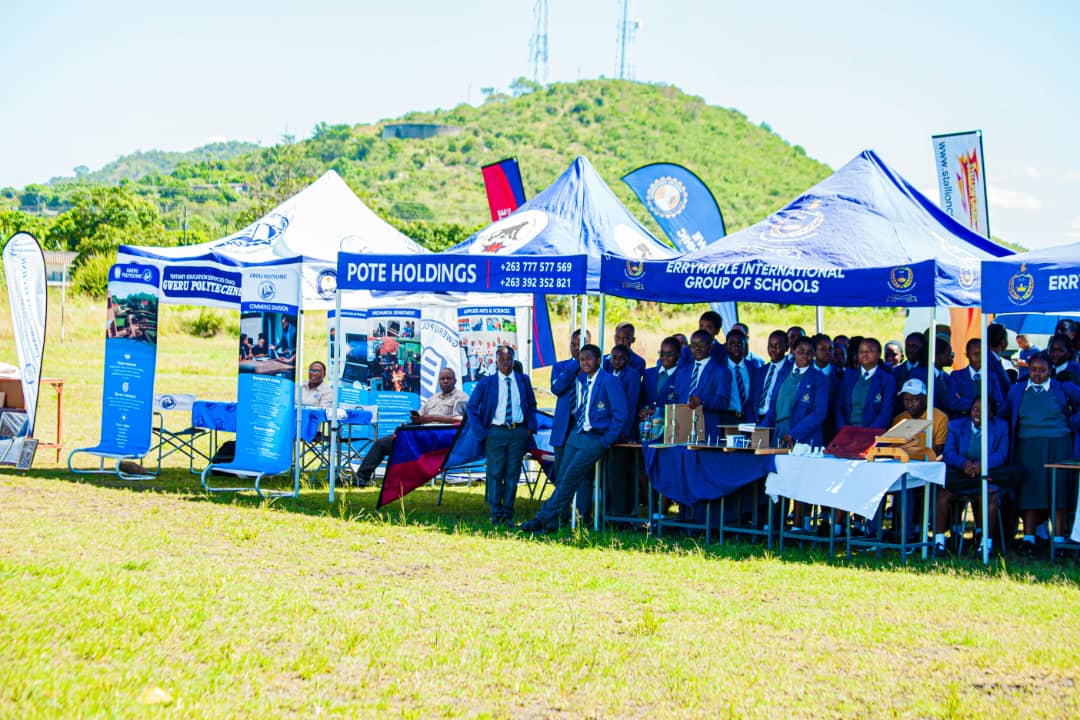
Speaking at the 2026 Schools and Innovation Fair hosted by YA FM, Errymaple Group of Schools CEO Mrs. Ashell Ruswa delivered a stark warning: many of today’s jobs may not exist within two decades.
“Driverless cars, automation, robotics — these are not future concepts. They are already here,” Ruswa said. “We must begin to ask ourselves: what are we preparing our children for?”
Her remarks reflect a growing global concern that artificial intelligence and robotics will displace large segments of the workforce, from drivers and fuel attendants to pilots and banking personnel. Ruswa argued that Zimbabwe’s education system cannot afford to lag behind these shifts.
“The business community is already planning to minimize human capital,” she said. “Not because they are cruel, but because they want efficiency and profit.”
The implications, she added, extend far beyond industry — into classrooms.
Ruswa criticized what she described as a stagnant curriculum that fails to keep pace with rapid technological change. She urged educators to move away from rote learning toward a more dynamic, future-oriented approach.
“In the 21st century, we are not lecturers — we are facilitators,” she said. “We must allow learners to research, discover, and innovate.”
Her comments also challenged parents’ traditional emphasis on academic excellence alone, arguing that top grades without practical and adaptive skills will be insufficient in the emerging economy.
“Straight A’s alone will not secure a future,” Ruswa said. “There must be a balance — academic performance and practical capability.”
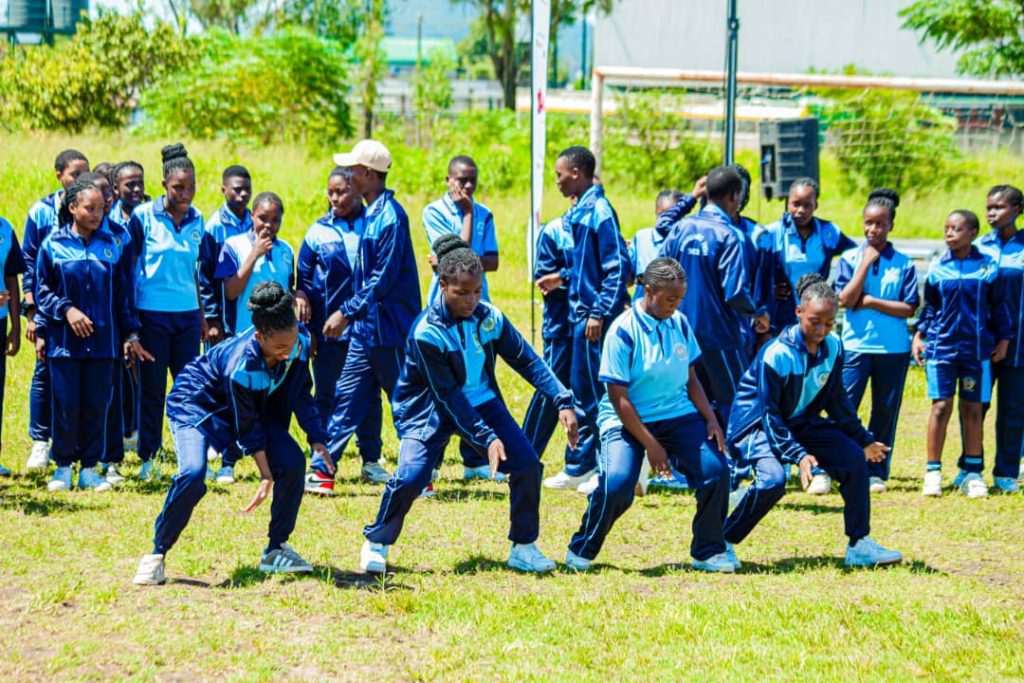
The Schools and Innovation Fair, which drew thousands of learners, educators and industry stakeholders, has increasingly become a platform for bridging the gap between education and real-world skills in Zimbabwe’s evolving economy.
Ruswa’s message was clear: the future of work is already being written — and education must catch up.