The Minister of Mines and Mining Development, Dr Polite Kambamura, has confirmed that Government is investigating possible causes of siltation at Mazowe Dam amid concerns over declining water levels, despite receiving normal to above-average rainfall.
Mazowe Dam, a key water source in Mashonaland Central, is currently sitting at just 13% capacity, according to the Zimbabwe National Water Authority (ZINWA), raising questions over the integrity of its catchment area.
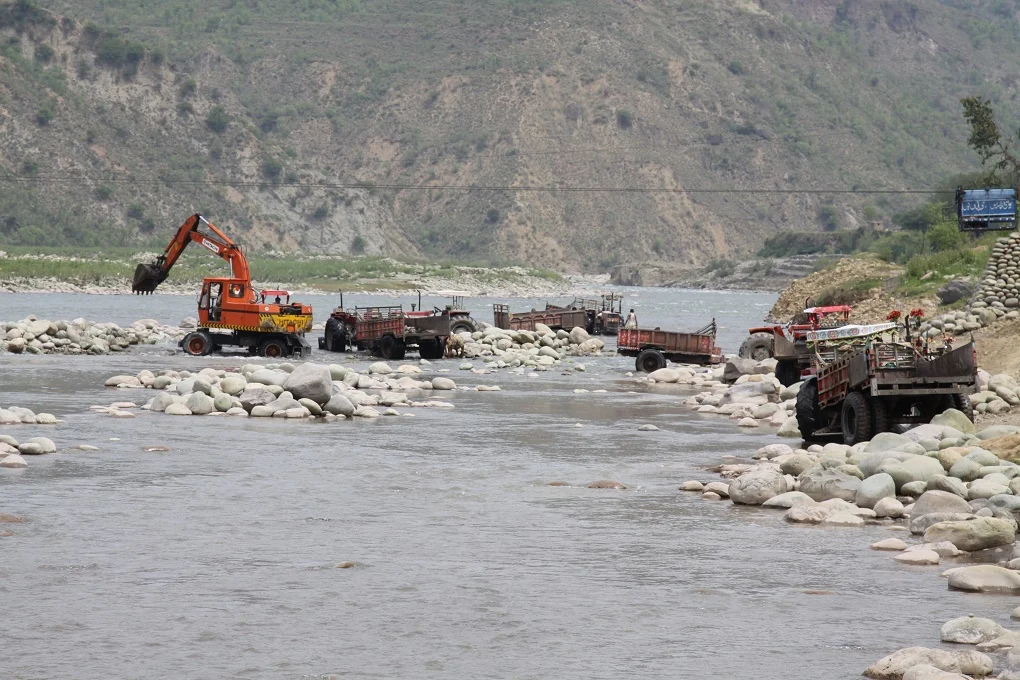
Speaking on the developments, Dr Kambamura said preliminary reports point to possible environmental degradation upstream, including illegal mining activities, although investigations are still underway.
“We received some reports in regards to that issue. We are currently doing investigations to establish exactly what is happening upstream,” he said.
“There could be scenarios where illegal miners are operating without proper environmental management standards. We will be working with the Ministry of Environment and other relevant ministries to establish the facts.”
The Minister emphasised the need to safeguard critical ecosystems feeding into the dam, including wetlands and watersheds, warning that environmental damage upstream could have long-term consequences on water storage.
“We need to protect the watersheds, protect the ecosystem upstream and wetlands so that we do not affect the water levels in the dam,” he added.
Siltation — the accumulation of sediments such as soil and sand in water bodies — is widely recognised as a major threat to dam capacity globally. Studies indicate that reservoirs around the world lose between 0.5% and 1% of their storage capacity annually due to sedimentation.
According to United Nations research, sediment build-up has already reduced the storage capacity of nearly 50,000 large dams worldwide by an estimated 13% to 19%, with projections suggesting losses could rise to as much as 28% by 2050.
The phenomenon has significant implications for water security, irrigation, and hydroelectric power generation, particularly in developing countries where dam infrastructure plays a central role in economic activity.
In Zimbabwe, siltation has long been linked to land degradation, deforestation, and illegal mining — particularly alluvial gold mining along riverbanks — which accelerates soil erosion and sediment flow into dams. Environmental experts have repeatedly warned that unsustainable mining practices in catchment areas are contributing to the rapid loss of dam storage capacity across the country.
Mazowe Dam’s low levels, despite favourable rainfall patterns, highlight a growing disconnect between precipitation and effective water storage — a situation analysts say points to structural and environmental challenges rather than climatic factors alone.
Government’s ongoing investigation is expected to provide clarity on the extent to which illegal mining and other upstream activities are contributing to the problem, as authorities move to balance mineral exploitation with environmental sustainability.
The outcome of the probe could inform future policy interventions aimed at protecting Zimbabwe’s dwindling water resources, particularly as climate variability and economic pressures continue to strain the country’s dam systems.