The Zimbabwean government has cut a range of mining sector fees, slashed export permit charges and scrapped selected levies as authorities intensify efforts to reduce the cost of doing business and attract fresh investment into the country’s mining industry.
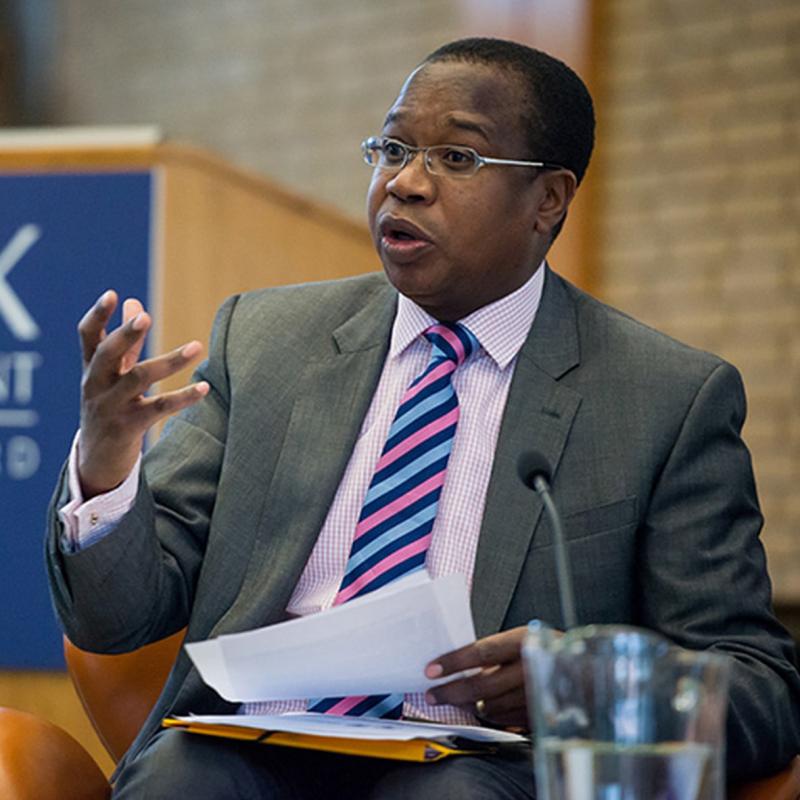
Speaking during a post-cabinet briefing this week on the review of licences, permits and levies in the mining sector, Finance minister Professor Mthuli Ncube said the reforms were designed to balance investor confidence with stronger regulatory oversight.
Among the major changes announced, the government reduced the registration fee for dealing in precious stones from US$15,000 to US$10,000 and cut export permit fees for exploration samples from US$1,875 to US$500 per consignment. Commissioning fees were also reduced from US$700 to US$350, while the one-off fee for trading on a mining location was scrapped entirely.
Ncube said the review covered application fees, registration charges, annual inspection fees and export permits across the mining value chain.
“We felt that 80 percent of the fees were already set at the right level, so there was no need to change them,” he said, adding that only 20 percent of the fees were adjusted.
The reforms also introduced targeted charges for emerging mineral industries central to Zimbabwe’s beneficiation ambitions. Authorities imposed new once-off US$100 application fees for gold jewellery plant licences and lithium processing plant registrations, arguing the charges were negligible relative to the scale of investment flowing into the sector.
“These lithium plants are costing around US$400 million, so frankly a US$100 registration fee is not a lot of money,” Ncube said.
The finance minister also disclosed that government had intervened to rationalise fees charged by rural district councils after some mining companies complained of excessive local authority levies. Under the new framework, RDC charges will be capped at no more than half of their current levels.
Zimbabwe’s mining sector has increasingly become central to the country’s economic recovery strategy, with authorities seeking to attract capital into lithium processing, gold refining and mineral beneficiation while easing regulatory burdens blamed for slowing investment.
Ncube rejected suggestions that the revised fees contradicted the government’s ease of doing business agenda, drawing a distinction between regulatory charges and taxes.
“Regulatory fees are paid before you do business. Taxes are what you pay after economic activity,” he said. “There is no tension or conflict here.”