There is something different about this one. Not just another international window, not just another tournament stitched into the calendar — but a stage, a statement, and perhaps a subtle reset for Zimbabwe’s national team.
In late May, the Warriors will step onto English soil for the Unity Cup 2026, a four-nation tournament at The Valley in London, where Zimbabwe will line up alongside Nigeria, Jamaica and India. It is unfamiliar territory in more ways than one. The Warriors have never played in a tournament of this nature in England before, and the symbolism runs deeper than the fixture list. This is football meeting diaspora, identity meeting opportunity.
The structure is simple, but the stakes feel layered. Zimbabwe open against Nigeria on May 26, a test that will immediately reveal how far this side has come — or how far it still has to go. Jamaica and India meet in the other semi-final, with the winners converging for a final on May 30. But beneath the straightforward format lies a more complex narrative: a team in transition, a federation eager to reassert itself, and a generation of players carrying both expectation and unfinished business.
ZIFA president Nqobile Magwizi called it a “landmark moment,” and it is easy to see why. For a national team that has spent recent years navigating administrative turbulence and inconsistent results, this tournament offers clarity — high-level opposition, global visibility, and a rare chance to perform in front of a large Zimbabwean diaspora.
Head coach Marian Marinica will likely view it through a more tactical lens. This is a controlled environment to measure cohesion, sharpen identity, and test combinations against stylistically different opponents. Nigeria brings physicality and depth, Jamaica pace and athleticism, India technical unpredictability. Each match becomes less about silverware and more about calibration.
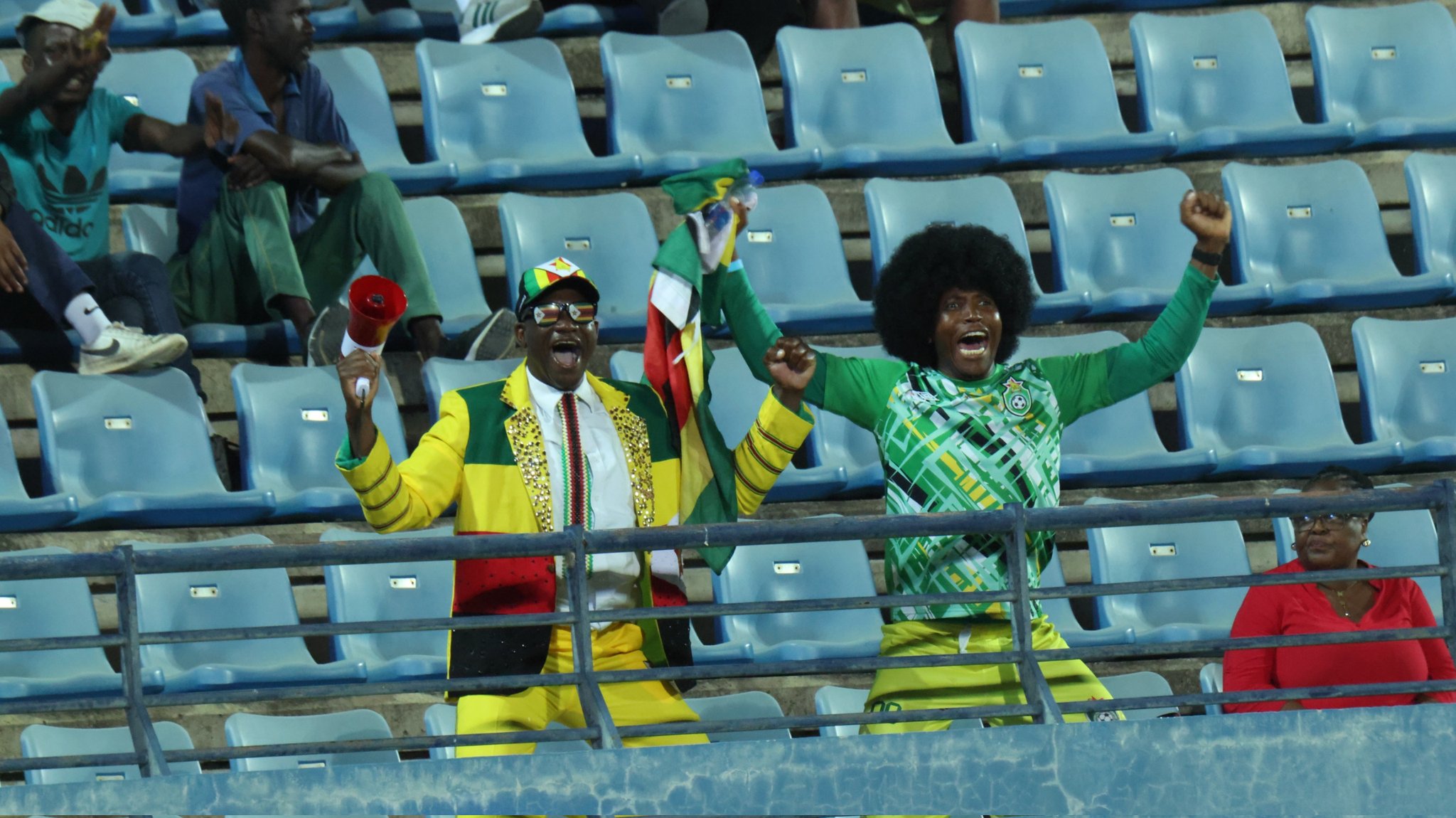
For captain Marvelous Nakamba, the emotional weight is just as significant. Playing in London, in front of Zimbabweans who have carried their support across continents, adds a different kind of pressure — and motivation. It is not just about representing a nation, but reconnecting with a scattered fanbase that rarely gets to see the team up close.
The Unity Cup itself has history — last staged at The Valley in 2004 — but its modern revival feels intentional. Football as a cultural bridge, not just competition. For Zimbabwe, that bridge could lead somewhere meaningful: renewed belief, sharper identity, and maybe, just maybe, momentum.
Because in tournaments like this, the results matter. But the story they begin to tell matters even more.