Zimbabwe must protect its indigenous cattle breeds not as a matter of nostalgia, but as a hard-headed response to climate stress, disease pressure and the economics of livestock production in a hotter, drier environment.
That was the message from Deputy Agriculture Minister Davis Marapira, who said local breeds such as the Mashona, Nguni, Tuli and Nkone remain central to the country’s livestock future because they are better adapted to Zimbabwe’s grazing systems, rainfall variability and disease burden.
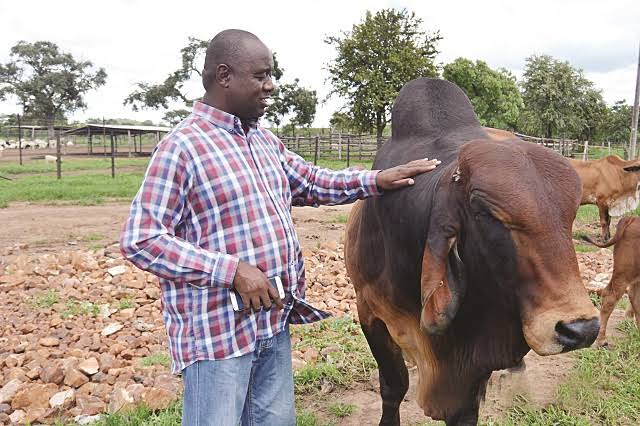
Speaking at Shangani Ranch in Matabeleland South, Marapira said indigenous breeds are critical to building a more resilient livestock sector as recurring droughts and climate shocks place increasing pressure on herd productivity and farmer incomes.
The policy push aligns with a broader reappraisal of indigenous genetics across southern Africa. Breeders and livestock specialists have increasingly argued that locally adapted cattle can outperform imported breeds in tough environments because they require less intensive management, show stronger tolerance to heat and disease, and often hold condition better on lower-quality rangeland. Recent reporting in Zimbabwe’s agricultural sector has pointed to renewed commercial interest in indigenous breeds as farmers look for lower-cost, climate-resilient systems.
Marapira said protecting local cattle genetics is also tied to food security and future meat supply. In a country where drought can rapidly thin grazing resources and erode herd value, the strategic case for hardy, locally adapted breeds is becoming harder for policymakers to ignore.