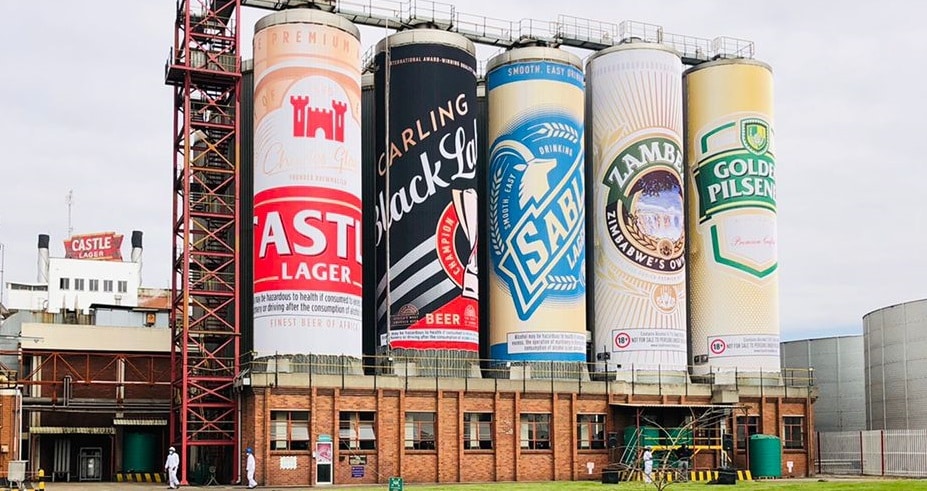
Delta Corporation says it has effectively run out of production capacity after another explosive year of demand growth driven by mining, agriculture, construction and diaspora remittances, forcing the beverages giant into one of its biggest expansion programmes in years.
The company will invest more than US$120 million in new capital expenditure projects, adding to the US$44 million already spent over the past financial year, as it races to close widening supply gaps across its beer and soft drinks businesses.
Speaking after the release of the group’s financial results, CEO Matlhogonolo Valela said demand had exceeded even the company’s own forecasts.
“We are investing behind our growth, but ahead of demand,” Valela said.
“In some of our categories, we missed the demand forecast and were pleasantly surprised by the market support.”
The pressure is most visible in lager beer, where Delta says sales volumes surged 19 percent and are now exceeding historical highs. Demand has grown so sharply that the company says it is now experiencing intermittent stock-outs after exhausting capacity installed only three years ago.
“We are operating at capacity. We have run out of capacity that we installed three years ago,” Valela said.
The company says by Christmas it expects to have expanded capacity by roughly 35 percent, lifting total brewing capability to more than four million hectolitres.
The expansion programme includes a second brew house and packaging line at Belmont in Bulawayo, another packaging line at Southerton in Harare, upgrades at the Ardbennie plant, and modernization of Delta’s aging Kwekwe operations — some sections of which date back to the 1940s and 1950s.
The strongest performer in the lager category was Carling Black Label, which Delta identified as its top-selling beer.
But the growth story stretches far beyond alcohol.
Sorghum beer volumes climbed 19 percent to a record 462 million litres, overtaking the previous peak of 450 million litres achieved in 1998. Soft drinks volumes rose 14 percent, while Maheu sales more than doubled, surging 104 percent.
The numbers point to broad-based consumer spending strength despite persistent economic pressures.
Delta directly linked the sales boom to growth in mining, farming, construction activity and diaspora inflows.
“The improved agricultural outturn, including higher cereal and wheat output, further supported purchasing power, particularly in rural markets,” the company said.
“The construction sector has experienced notable growth, underpinned by the emergence of new settlements, which reflects substantial household-level and corporate sector investments driven by multifaceted sources of disposable incomes.”
The results offer one of the clearest corporate indicators yet of how Zimbabwe’s resource economy is filtering into consumption patterns.
Record gold prices, expansion in platinum and lithium mining, improved agricultural output and rising informal-sector construction activity are all feeding disposable incomes into the market — much of it circulating in US dollars.
That trend was also visible in Delta’s currency mix.
The company said 94 percent of sales are now being conducted in US dollars, up from 80 percent the previous year, underlining the continued dominance of the greenback in Zimbabwe’s consumer economy despite government efforts to strengthen usage of the ZiG currency.
Delta’s full-year revenues reached US$1.091 billion following the consolidation of the Schweppes business, making it one of only a handful of Zimbabwean companies ever to cross the billion-dollar revenue threshold.
However, the company warned that rising taxes remain a growing burden. Delta paid the equivalent of US$30 million in sugar tax during the financial year — a levy industry players argue is increasingly weighing on non-alcoholic beverage pricing and margins.
Still, the dominant message from Delta’s latest results was simple: Zimbabweans are spending — and the country’s biggest beverages producer cannot currently brew enough to keep up.