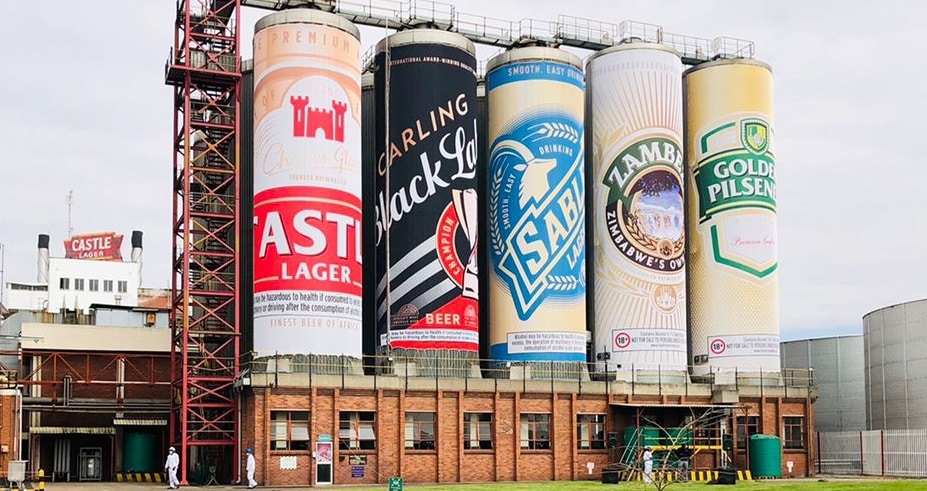
Delta Corporation CEO Matlhogonolo Valela says Zimbabwe’s record demand for beer and soft drinks is being driven by strong spending linked to mining, agriculture, construction activity and diaspora remittances.
Speaking after Delta reported record sales volumes across lager beer, sorghum beer and soft drinks, Valela said the economy is showing visible signs of liquidity despite broader macroeconomic pressures.
“We have seen very strong consumer demand,” Valela said.
“FMCG goods, domestic construction, even some corporate activities in the construction sector suggest that there is money to spend.”
Valela said much of the spending power is coming from cash crops, improving agricultural activity, high mineral prices and the rapid circulation of money through artisanal mining communities.
“And this is coming largely from agriculture, cash crops, some semblance of food production, not sufficient because we are still importers in the food space, mineral prices that have just alluded to, and artisanal mining, which is making it possible for money to pass through many more people’s fingers, and thus driving that spending,” he said.
He added that diaspora remittances also remain resilient and continue supporting household consumption.
“The diaspora remittances, the bankers tell us, those are holding,” Valela said.
The comments come after Delta reported a surge in demand that has pushed parts of its operations beyond installed production capacity.
Lager beer volumes rose 19 percent, sorghum beer volumes reached a record 462 million litres, while soft drinks volumes increased 14 percent. Maheu sales more than doubled during the financial year.
The results are increasingly being viewed as a real-time indicator of where disposable income is emerging within Zimbabwe’s economy — particularly in mining towns, farming communities and rapidly expanding informal construction sectors.
Delta says demand has become so strong that it is now investing more than US$120 million in expansion projects after running out of brewing and packaging capacity installed only three years ago.