
When TelOne FC handed over football kits, training equipment and coaching support to Mambo High School this morning, it may have looked like a routine corporate social responsibility exercise.
In reality, the Castle Lager Premier Soccer League club could be laying the foundations for something much bigger — a sustainable talent pipeline that connects classrooms to professional football while tackling the growing challenge of drug and substance abuse among young people.
Around the world, some of football’s most successful clubs have built their futures through school and grassroots partnerships. FC Barcelona’s famed La Masia system works closely with educational institutions to develop both footballers and students. Ajax have spent decades identifying and nurturing talent through school-linked development structures. Closer to home, South African giants such as Kaizer Chiefs, Orlando Pirates and Mamelodi Sundowns have invested heavily in youth football programmes and school competitions to identify future stars.
Zimbabwe has often relied on informal scouting networks, schools competitions and community clubs to discover talent. Some of the country’s greatest players were first spotted in school football before graduating to the professional ranks. TelOne’s latest initiative seeks to formalise that pathway.
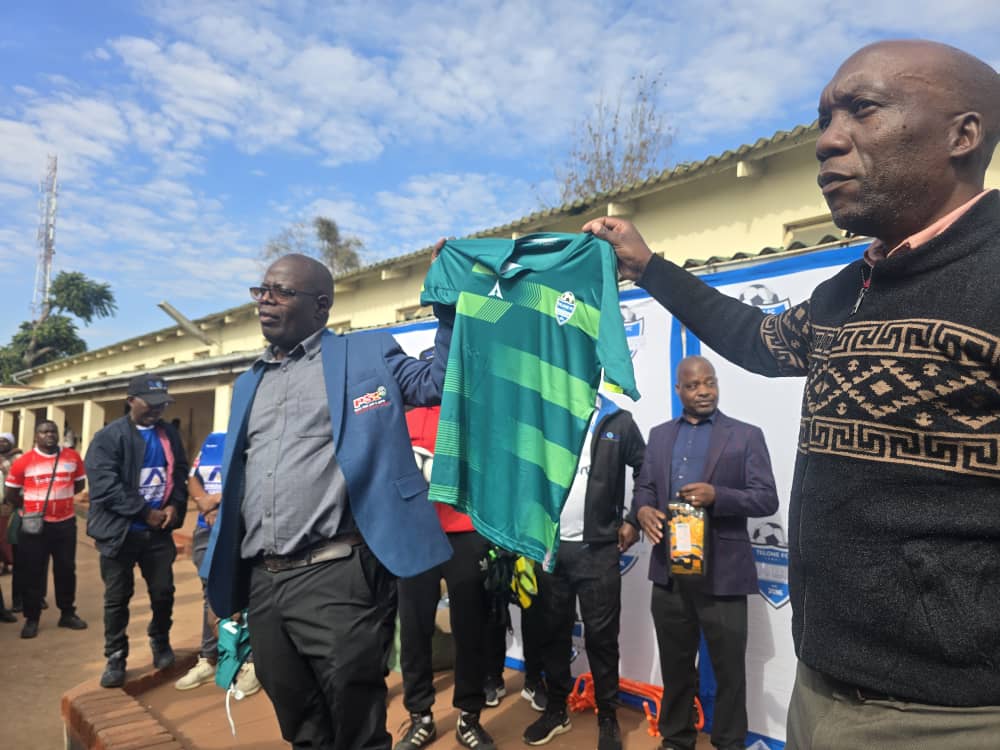
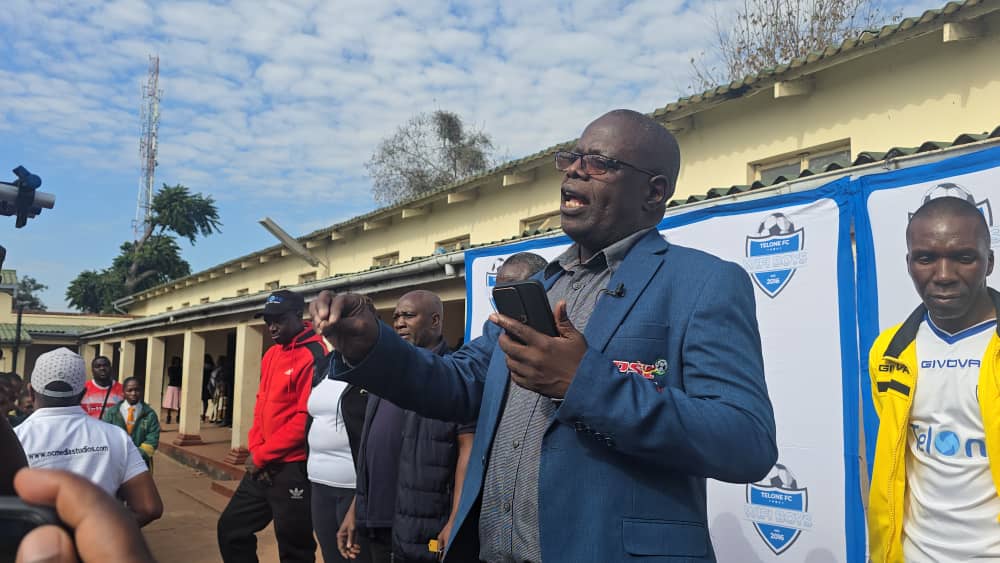
Speaking at the launch, school headmaster Napoleon Madondo described the partnership as a valuable opportunity for learners, while club vice-president Kisto Mutanga emphasised the role sport can play in steering young people away from drugs and substance abuse. Club president Oscar Nduwure went further, stating that TelOne wants the partnership to become a genuine talent production line for the club.
There is evidence that the school already possesses a strong sporting culture. Mambo High School is one of Gweru’s established secondary schools and has enjoyed success in various sporting disciplines over the years, including national baseball competitions. The school has also built a reputation as one of the notable educational institutions in the Midlands province.
Perhaps the most compelling endorsement came from TelOne coach Saul Chaminuka. Reflecting on his own journey, Chaminuka reminded students that he played Premier League football for Ziscosteel while still in Form Three, illustrating how school sport can serve as a gateway to the professional game.

The timing is significant. Zimbabwean clubs continue to spend heavily recruiting players from across the region, while many local schools remain under-resourced from a football development perspective. Partnerships such as the one between TelOne and Mambo High offer a different model — investing in talent before it reaches the transfer market.
Whether the programme eventually produces the next Premier Soccer League star remains to be seen. But if TelOne can combine education, mentorship and structured football development, the club may have discovered a far more sustainable route to success than simply buying finished products.
For TelOne, the dream is clear: today’s schoolboy in a Mambo High classroom could one day be leading the Wifi Boys onto the pitch.