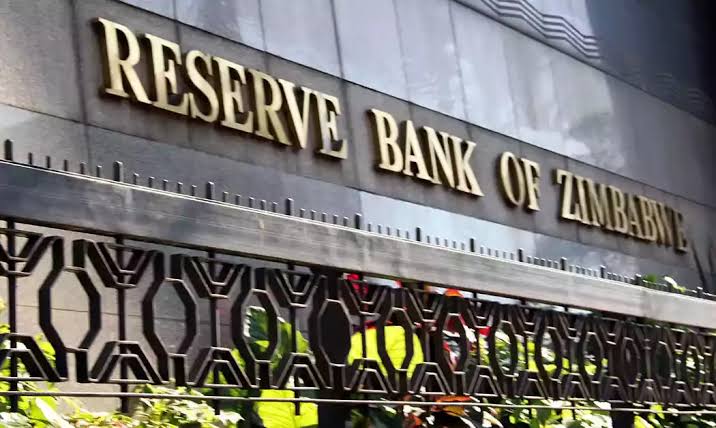
HARARE — Zimbabwe’s central bank has delivered its strongest signal yet that it believes the economy is entering a new phase of stability, cutting its benchmark interest rate while maintaining that inflation, exchange rates and foreign currency reserves remain firmly under control.
The Reserve Bank of Zimbabwe’s Monetary Policy Committee (MPC) on Monday reduced the Bank Policy Rate from 35% to 30%, marking the first major easing of borrowing costs since the introduction of the Zimbabwe Gold (ZiG) currency in April 2024.
The decision comes as annual inflation remained below the central bank’s 5% target, ending May at 4.8%, while foreign currency inflows surged 39.1% to US$8.3 billion during the first five months of 2026.
For policymakers, the figures represent evidence that the economy has largely absorbed recent global shocks, including rising oil prices linked to tensions in the Middle East.
“The structural shift in inflation dynamics has continued to hold,” the MPC said, noting that the impact of higher fuel prices had been largely contained and had not triggered widespread increases in the cost of goods and services.
The rate cut is designed to support investment and economic growth while preserving monetary discipline.
In a further move to stimulate productive sectors, the central bank reduced the interest rate on the Targeted Finance Facility from 20% to 15%, lowering financing costs for businesses seeking capital for expansion.
The MPC, however, stopped short of broader monetary easing. Statutory reserve requirements were left unchanged at 30% for demand deposits and 15% for savings and time deposits, underscoring the bank’s continued focus on liquidity management.
Zimbabwe’s economy is expected to grow by 5% in 2026, slower than the revised 8.2% estimate recorded in 2025 but still among the stronger growth rates in the region.
Behind the central bank’s confidence is a significant improvement in the country’s foreign currency position.
Foreign currency reserves backing the ZiG have climbed above US$1.5 billion, equivalent to about one-and-a-half months of import cover. The reserves, together with stronger export receipts and diaspora inflows, have helped keep the ZiG exchange rate relatively stable between ZiG25 and ZiG27 to the US dollar.
The MPC said foreign currency inflows exceeded foreign payments by a substantial margin during the review period, creating a net surplus that strengthened reserves and supported domestic transactions.
The committee also highlighted progress on broader financial sector reforms, including the operationalisation of the ZiG-denominated Term Deposit Facility, which attracted strong initial uptake from investors seeking positive real returns.
Economists say the latest policy adjustments suggest authorities are attempting to strike a delicate balance: encouraging lending and investment while avoiding the inflationary pressures that have historically undermined confidence in Zimbabwe’s monetary system.
The MPC acknowledged that risks remain, including geopolitical tensions and global supply chain disruptions, but said current fundamentals justified a recalibration of interest rates.
For businesses, the lower policy rate could reduce borrowing costs and improve access to capital. For the central bank, however, the greater challenge lies ahead: proving that Zimbabwe’s recent gains in inflation control and exchange rate stability can be sustained long enough to rebuild lasting confidence in the ZiG.
As policymakers seek to entrench macroeconomic stability, Monday’s decision represents more than a routine interest rate adjustment. It is a statement that the Reserve Bank believes Zimbabwe’s economy has entered a period where growth, rather than crisis management, can once again become the central focus of monetary policy.