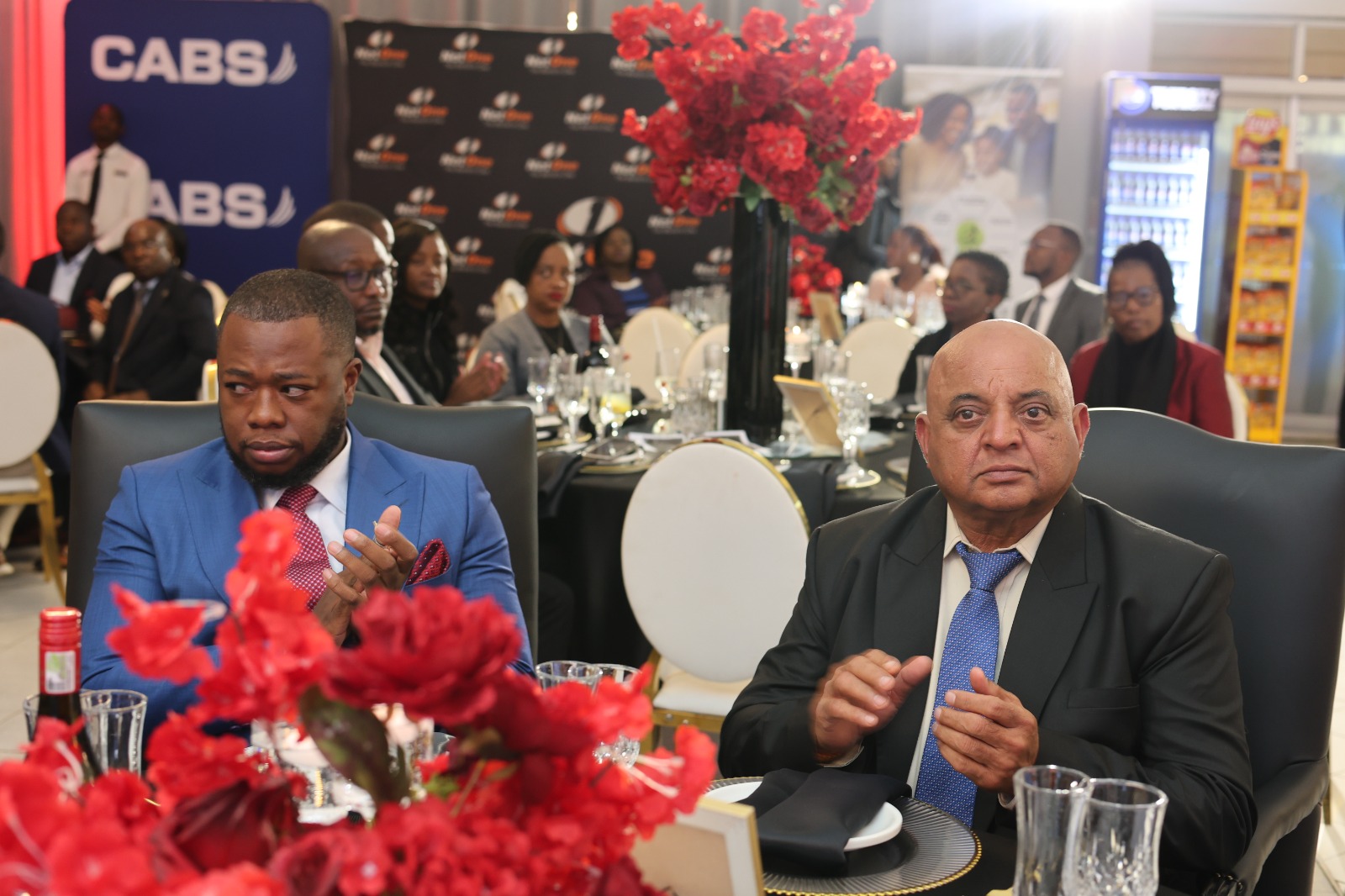
Zimbabwe’s biggest and most recognisable companies took centre stage at the 2026 ZimBrands Awards as Government and industry leaders intensified calls for citizens to support locally manufactured products in a bid to strengthen domestic industry, create jobs and reduce reliance on imports.
Held on 22 May under the Buy Zimbabwe campaign, the awards ceremony became more than just a celebration of corporate success. It evolved into a broader conversation about industrialisation, economic sovereignty and the future of Zimbabwean manufacturing under increasing regional competition.
The event brought together ministers, captains of industry, retailers, manufacturers, financial institutions and telecommunications giants at a time when Zimbabwe is aggressively pushing import substitution and local content policies.
Speaking at the ceremony, Deputy Minister of Industry and Commerce Raj Modi said local industries remain central to Zimbabwe’s economic survival and long-term growth.
“Industries play a very vital role in our economy because industries create jobs. When people get jobs, they get money, they spend money and that cycle starts improving the economy and livelihoods for the people,” Modi said.
He warned that excessive dependence on imports continues draining Zimbabwe’s scarce foreign currency reserves, arguing that supporting local production is now both an economic and strategic necessity.
“Everybody says they must support local products so that we can save our much-needed foreign currency and create jobs. That helps our economy,” he added.
The awards come at a time when Zimbabwe is trying to reposition itself within the African Continental Free Trade Area (AfCFTA), which opens up a market of more than 1.4 billion people but also exposes local companies to intensified continental competition.
Buy Zimbabwe chairman Munyaradzi Hwengwere said the country now needs to aggressively build a strong Zimbabwean commercial identity capable of competing regionally and internationally.
“The Zimbabwean product must multiply from the farmer all the way to the retailer so that we can also break into the African economy,” Hwengwere said.
He proposed attaching Zimbabwean insignia and QR-coded authentication systems to local products to help combat counterfeit imports while improving consumer confidence in domestic brands.
Hwengwere also revealed that the Buy Zimbabwe campaign had evolved significantly from its early years when many companies and consumers doubted whether local products could compete against imports.
The 2026 ZimBrands Awards reflected the changing structure of Zimbabwe’s economy, where telecommunications, fast-moving consumer goods, financial services and agro-processing continue dominating consumer spending patterns.
Consumer goods giant Delta Corporation once again emerged among the biggest winners after being named Zimbabwe’s Most Preferred Fast-Moving Consumer Goods brand ahead of National Foods and Dairibord Holdings. The company’s dominance comes amid explosive demand growth linked to rising mining incomes, agriculture and diaspora remittances which Delta executives recently described as key drivers of consumer spending.
Innscor Africa Limited secured the top ZimBrands Company of the Year Award, underlining the growing influence of diversified manufacturing and retail conglomerates within Zimbabwe’s economy. Delta Corporation and Econet Wireless Zimbabwe finished as first and second runners-up respectively.
Econet Wireless continued its dominance within telecommunications, winning awards in both voice and data services categories. The company’s influence stretches beyond telecoms into mobile money, insurance, logistics, fintech and digital infrastructure through subsidiaries such as EcoCash, EcoSure, Moovah and Vaya.
CBZ Holdings emerged as the country’s leading local banking brand, while Seed Co maintained its dominance in agricultural inputs, reinforcing its strategic role within Zimbabwe’s food security and commercial farming sectors.
Other major winners included Old Mutual Zimbabwe in insurance, Nyaradzo Group in funeral services, Cimas Health Group in medical aid and Pick n Pay Zimbabwe in retail and supermarket services.
Several household brands deeply woven into Zimbabwean daily life also featured prominently among winners, including Mazoe, Cerevita, Bakers Inn Bread and Super Chibuku. The recognition highlighted how consumer loyalty continues favouring long-established local products despite growing import competition.
Public institutions were not left out, with ZESA Holdings winning the Most Preferred Public Service Award, while Econet was recognised as the country’s Most Preferred Service Sector Brand.
The broader significance of the awards extends beyond marketing and branding.
Zimbabwe’s industrial sector has faced years of pressure from smuggling, cheaper imports, currency instability, power shortages and rising production costs. Yet policymakers increasingly view strong local brands as critical anchors for economic resilience and employment creation.
Government has in recent years introduced measures aimed at protecting domestic industry, including anti-smuggling operations, local procurement policies and tighter import controls on selected products.
Industry leaders say the challenge now is not only producing locally, but producing competitively.
That means investing in technology, quality control, packaging, logistics and innovation capable of matching regional and international standards under AfCFTA competition.
Analysts note that Zimbabwe’s consumer economy is also changing rapidly.
Mining-led liquidity, construction growth, agriculture recovery and diaspora inflows are reshaping spending patterns, creating opportunities for brands able to position themselves within rising urban and rural consumption markets.
For Buy Zimbabwe, the message behind the awards was ultimately simple — local brands are no longer merely surviving. Many are now aggressively positioning themselves as regional contenders.
And in an economy battling import dependence and foreign currency pressures, the “Buy Local” campaign is increasingly becoming less of a patriotic slogan and more of an economic survival strategy.